
Pompeii Would Not be News: How the Acceleration of Disastrous Climate Events is Changing our Understanding of Human Cost
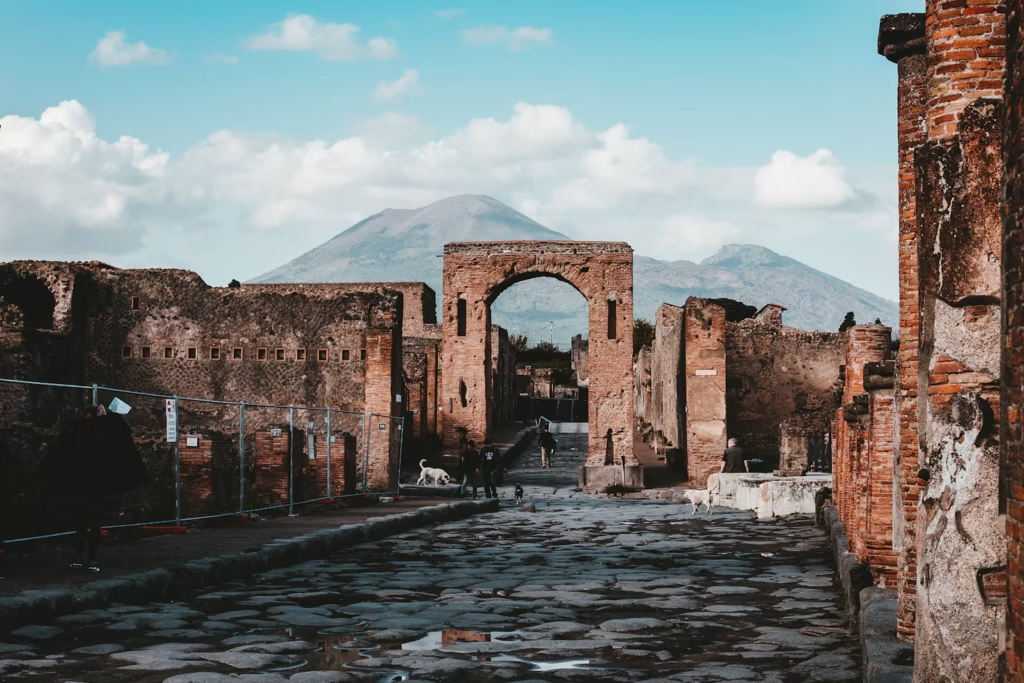
Troubling is the finding that the regularity of “once-in-a-lifetime” events may be desensitizing rather than activating human interest.
Naming Is Not Proving: Why Hybrid Threats Need Due Diligence

The ongoing armed conflict in Ukraine and rise of hybrid incidents across Europe have revived fears of a larger war in which NATO and Russia would confront each other directly. Nothing we are seeing now fully excludes this scenario, especially given the increase in operations on NATO’s eastern flank and Arctic region, where the border with Russia is vast.
BRICS in New Delhi: The Promise and Limits of India’s Multi-Alignent Foreign Policy
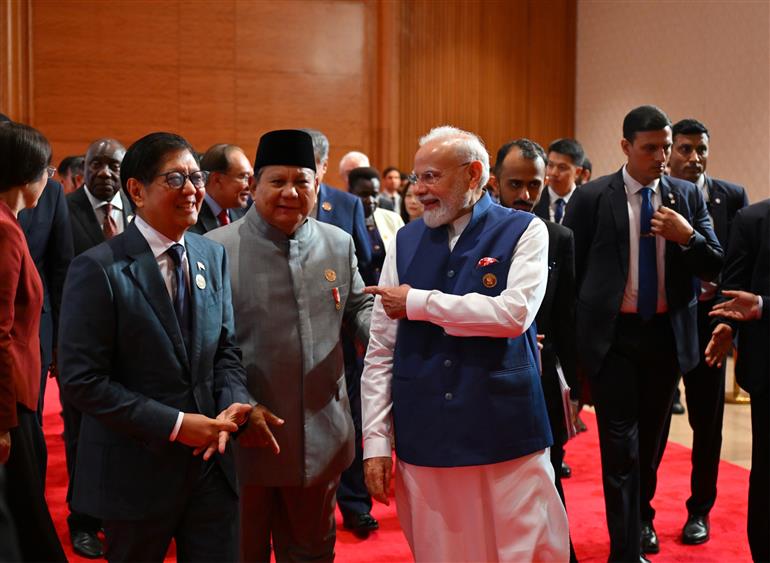
The 2026 BRICS summit on September 12-13th in New Delhi brought together its members during a particularly volatile and consequential moment for the increasingly fragmented multipolar global order.
Chinese Experts on China-U.S. Strategic Stability and What It Means for Canada
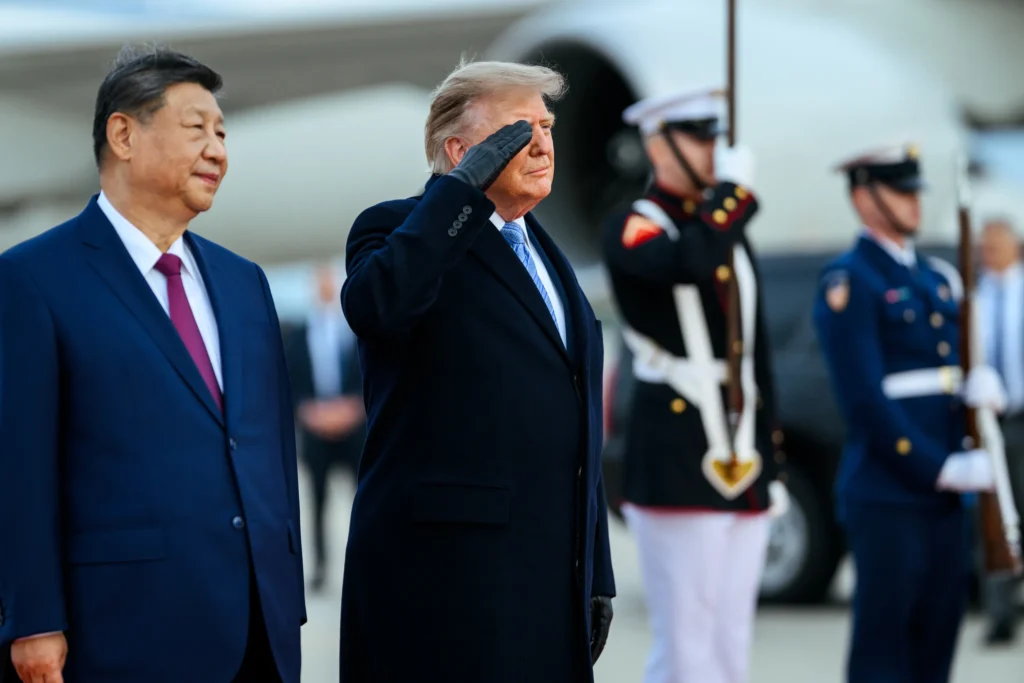
Chinese experts’ assessments of China–U.S. strategic stability suggest a framework for managing persistent competition, potentially giving Canada greater predictability in pursuing its own diplomatic and economic interests.
Op-Ed: Manufactured Borderlands: Mexico as an Extension of the U.S. Border

Sabine Caplin examines border externalization through Mexico and Türkiye, and its consequences for migrants, sovereignty, and host communities.
China Is Changing Latin America—The United States Needs to Pay Attention
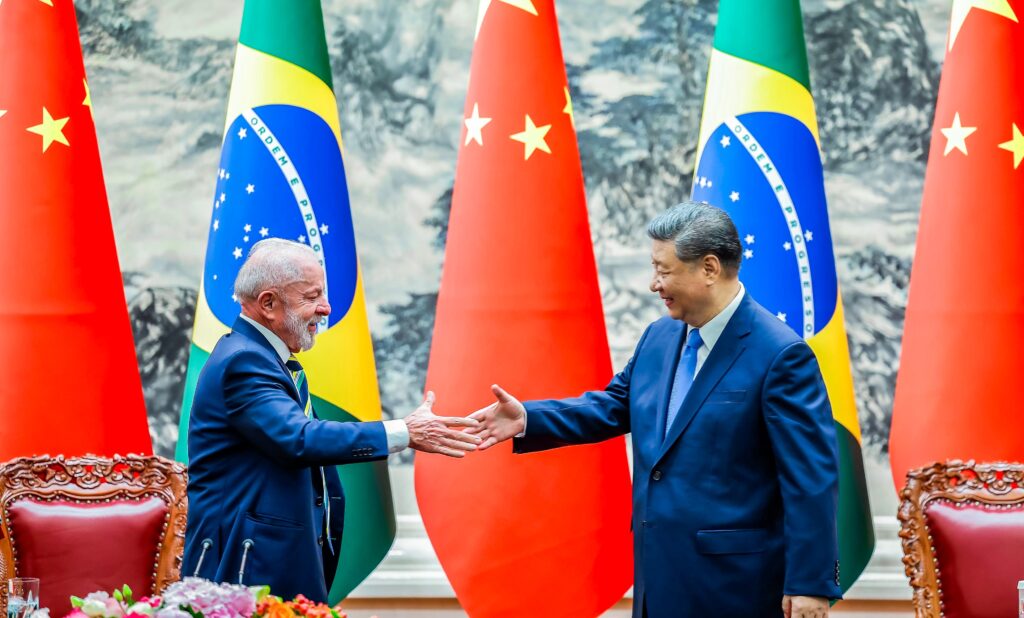
Sofia Perez examines how China’s expanding economic presence is reshaping Latin America’s international partnerships. She explores what the United States must offer to remain a competitive partner in the region.
Analytical brief: India’s Relationship with West Asia
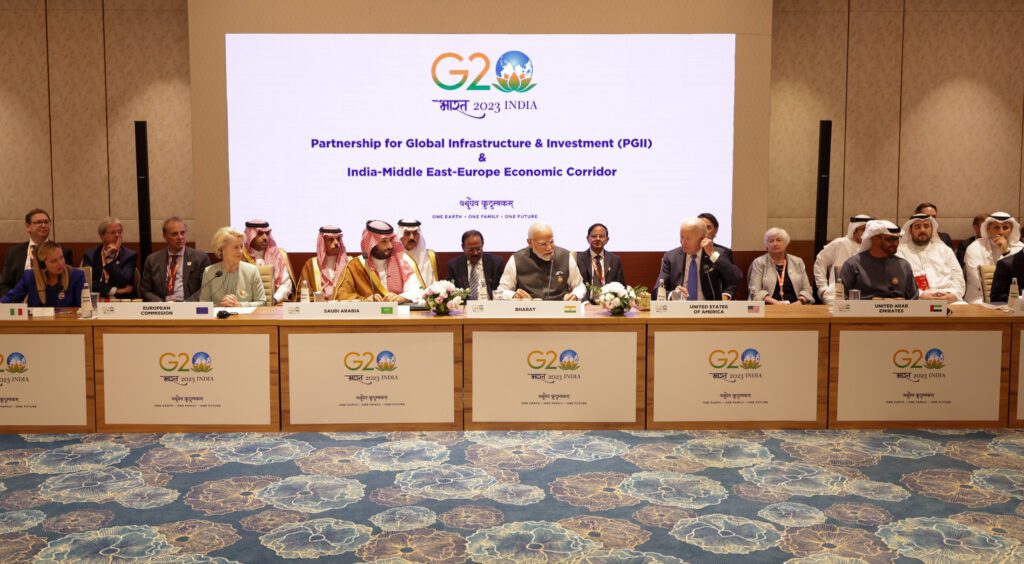
India’s expanding partnerships with rival powers across West Asia reveal both the opportunities of multialignment and the limits of strategic autonomy in protecting its energy, trade, and security interests.
Analysis: The Regionalization of Political Order in The Horn of Africa
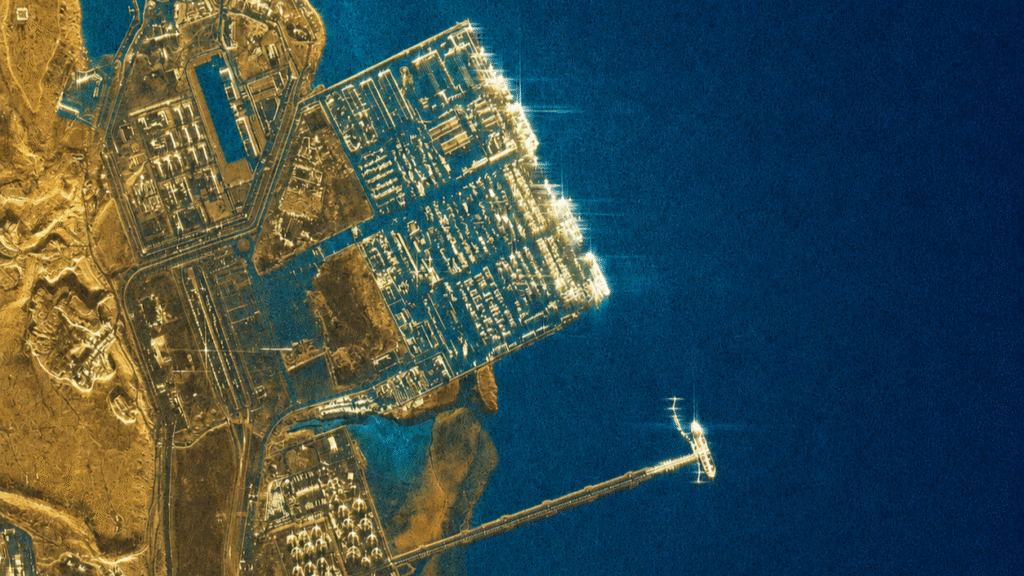
From strategic ports to corridors, political order in the Horn of Africa is being reorganized through networks of states, external powers and local actors that conventional theories struggle to capture.
How China Interprets Wang Yi’s Visit to Canada and Canada’s China Policy
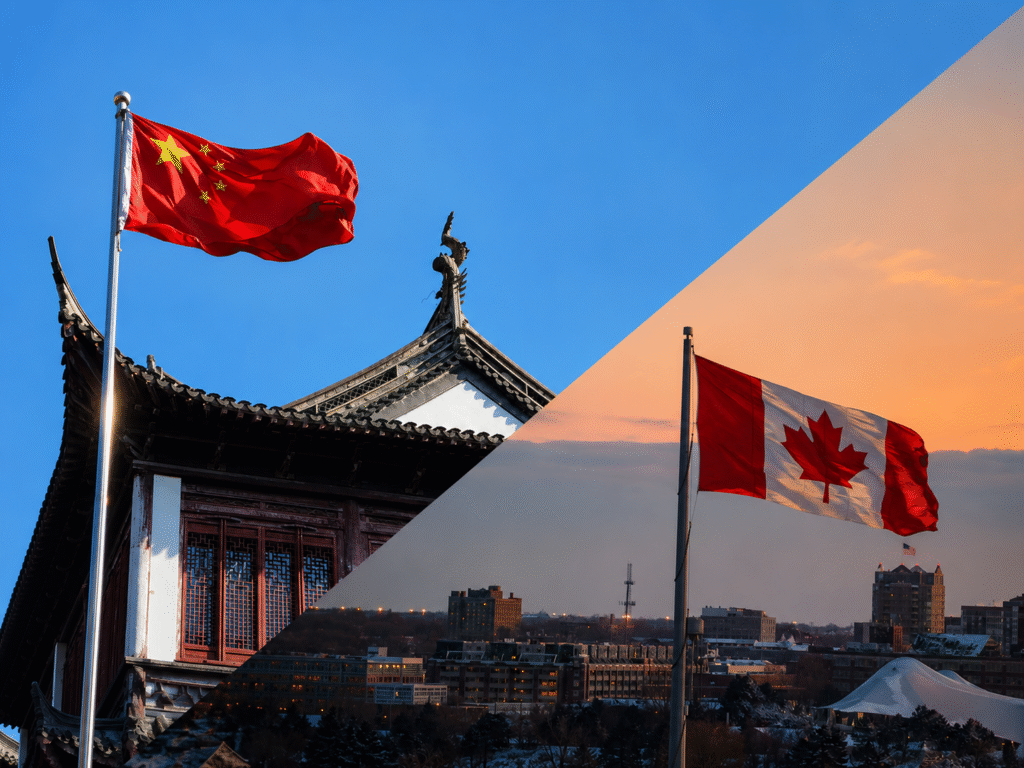
Wang Yi’s May 2026 visit to Ottawa was billed as a reset. But comparing China’s official statements with its policy scholars reveals how Beijing really reads Canada’s shift.
Conversation with Dr. Alaa Al-Aridi: The U.S.-Israeli War with Iran, Article 2(4), and the Strain on International Law
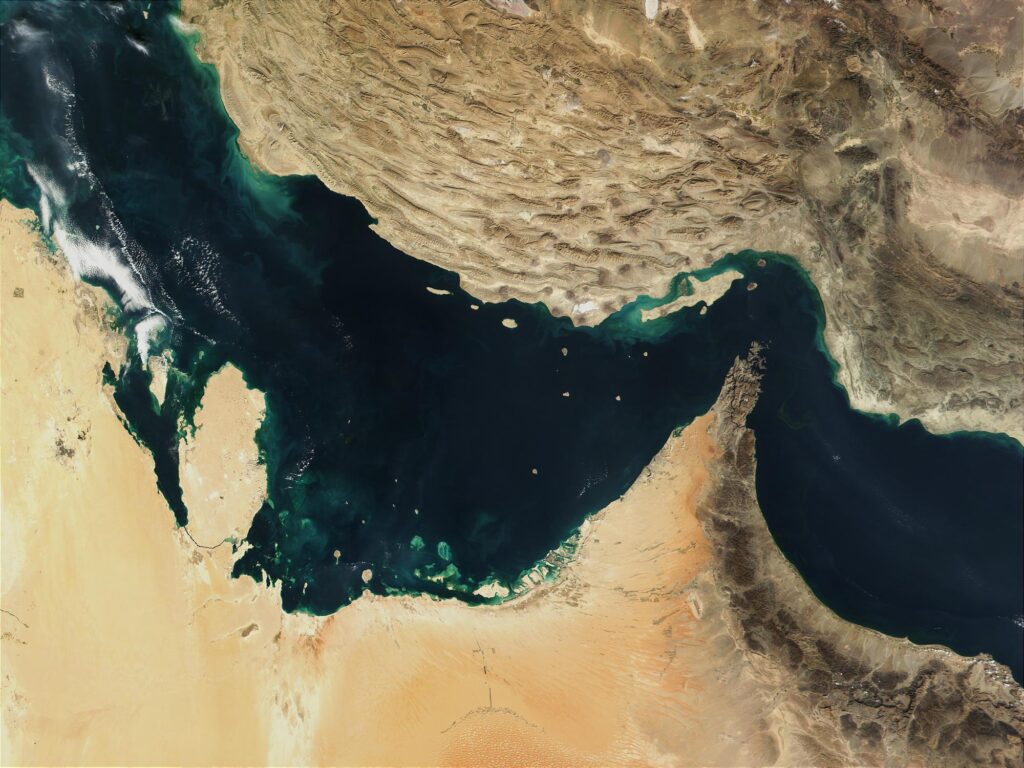
In this interview, Dan Prasuhn, Research Associate at Tessera, speaks with Dr. Alaa Al-Aridi, Professor of International Law, about the current U.S.-Israeli war with Iran and the wider regional escalation.