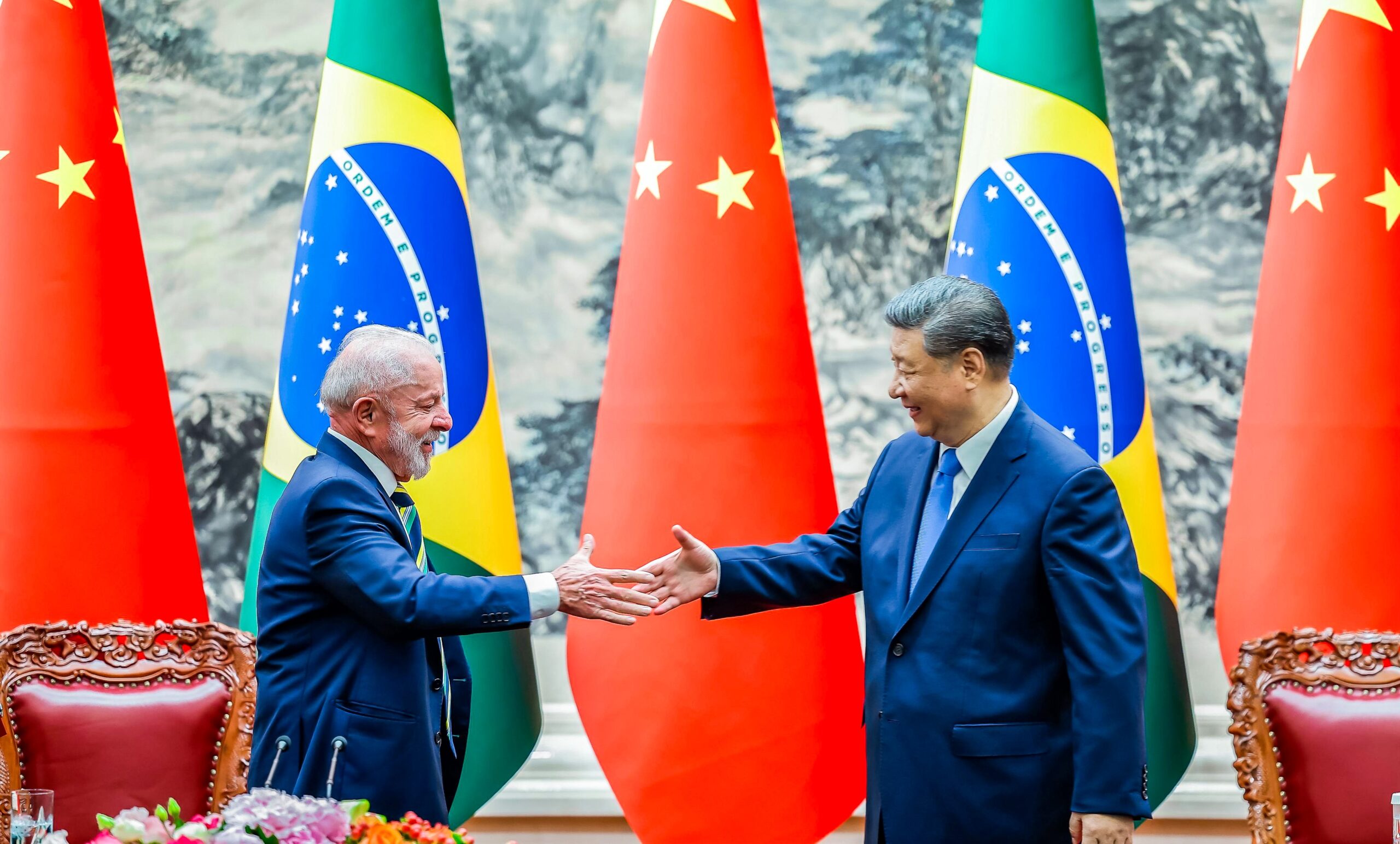
Sofia Perez examines how China’s expanding economic presence is reshaping Latin America’s international partnerships. She explores what the United States must offer to remain a competitive partner in the region.
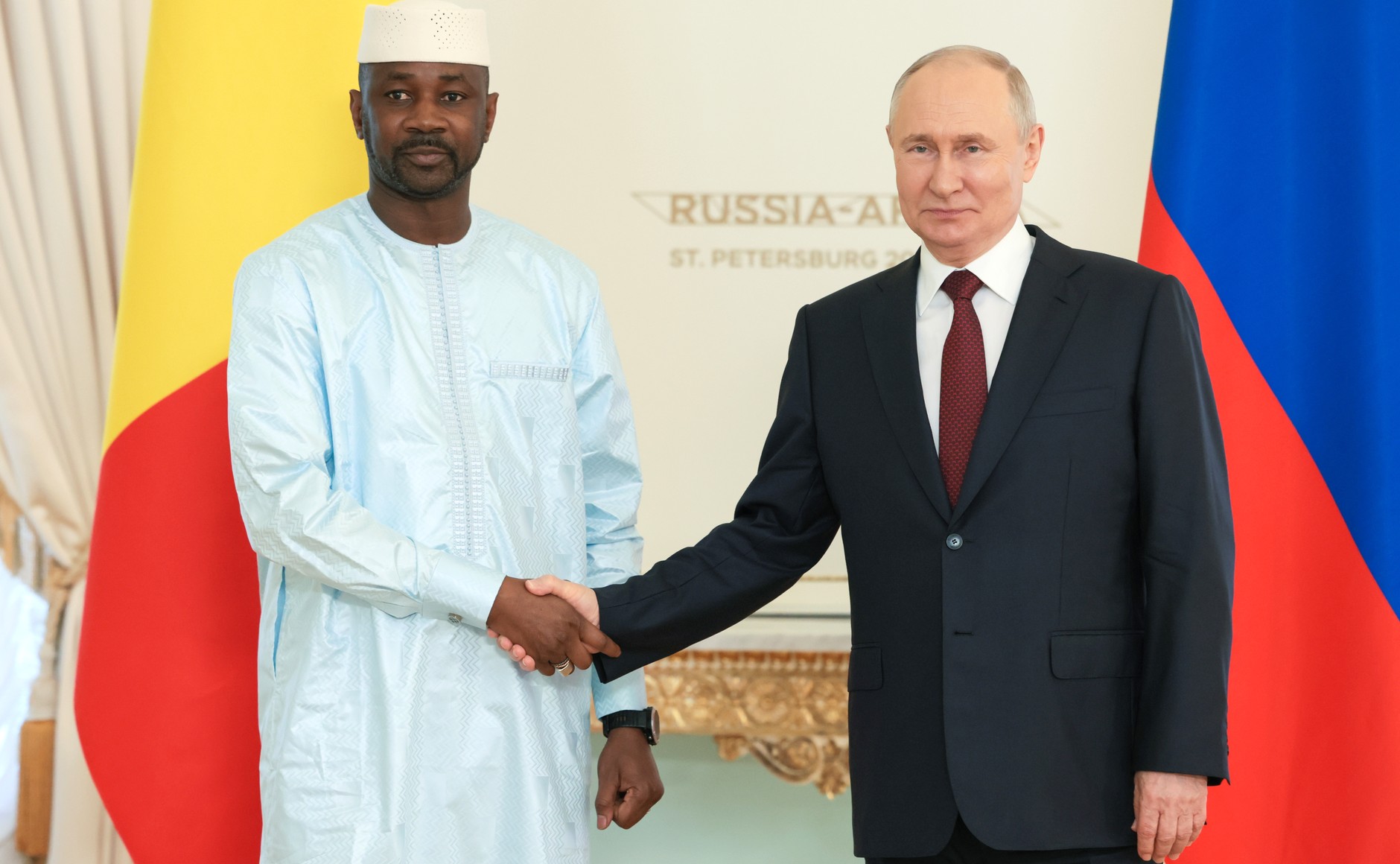
As Russia expands its security partnerships in the Sahel, Shushan Grigoryan examines how Moscow’s approach differs from France’s and what this shift means for sovereignty, regional security and European influence.
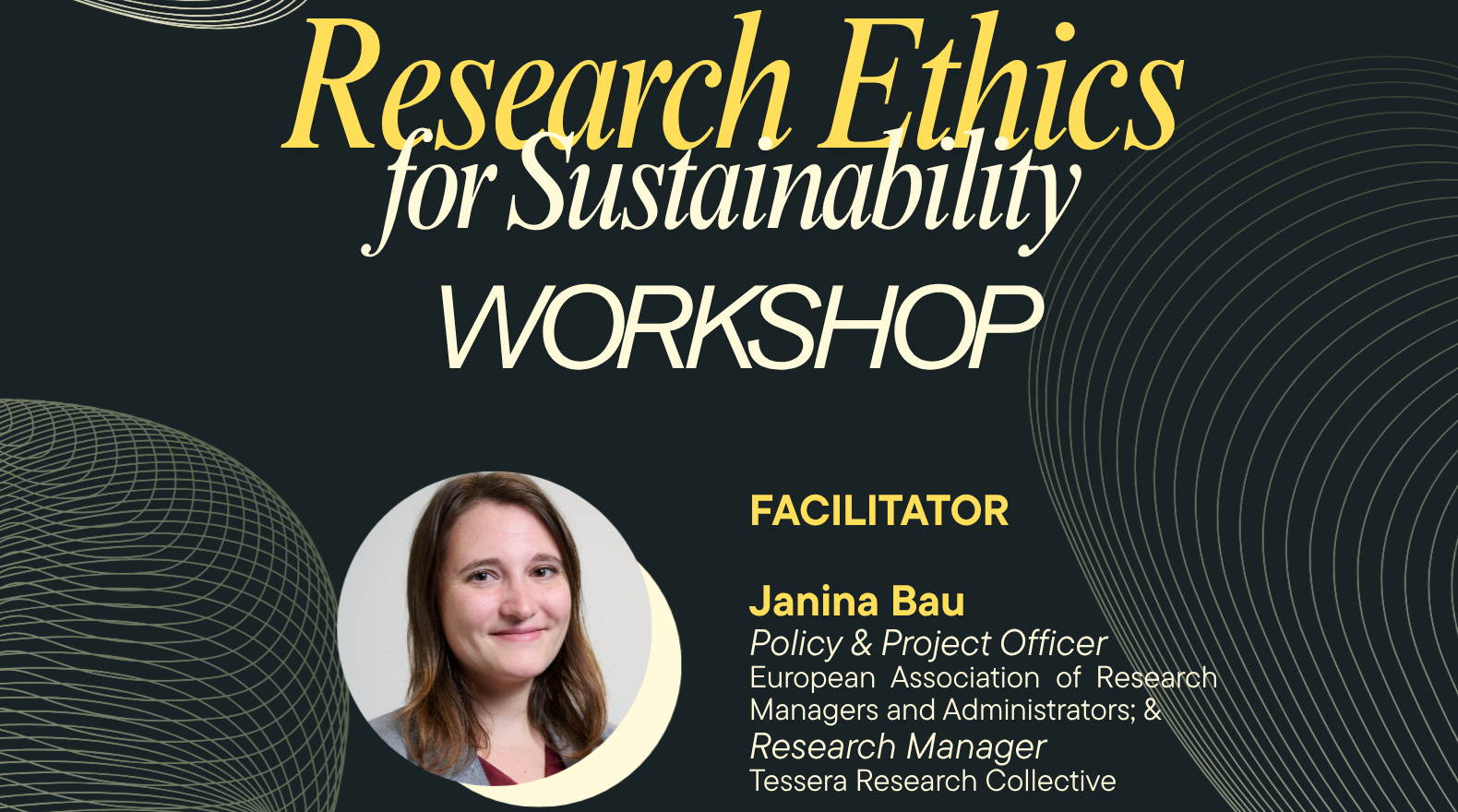
On 10 September 2026, Tessera Institute for Global Affairs hosted an online workshop on Research Ethics for Sustainability in collaboration with the European Association of Research Managers and Administrators (EARMA).
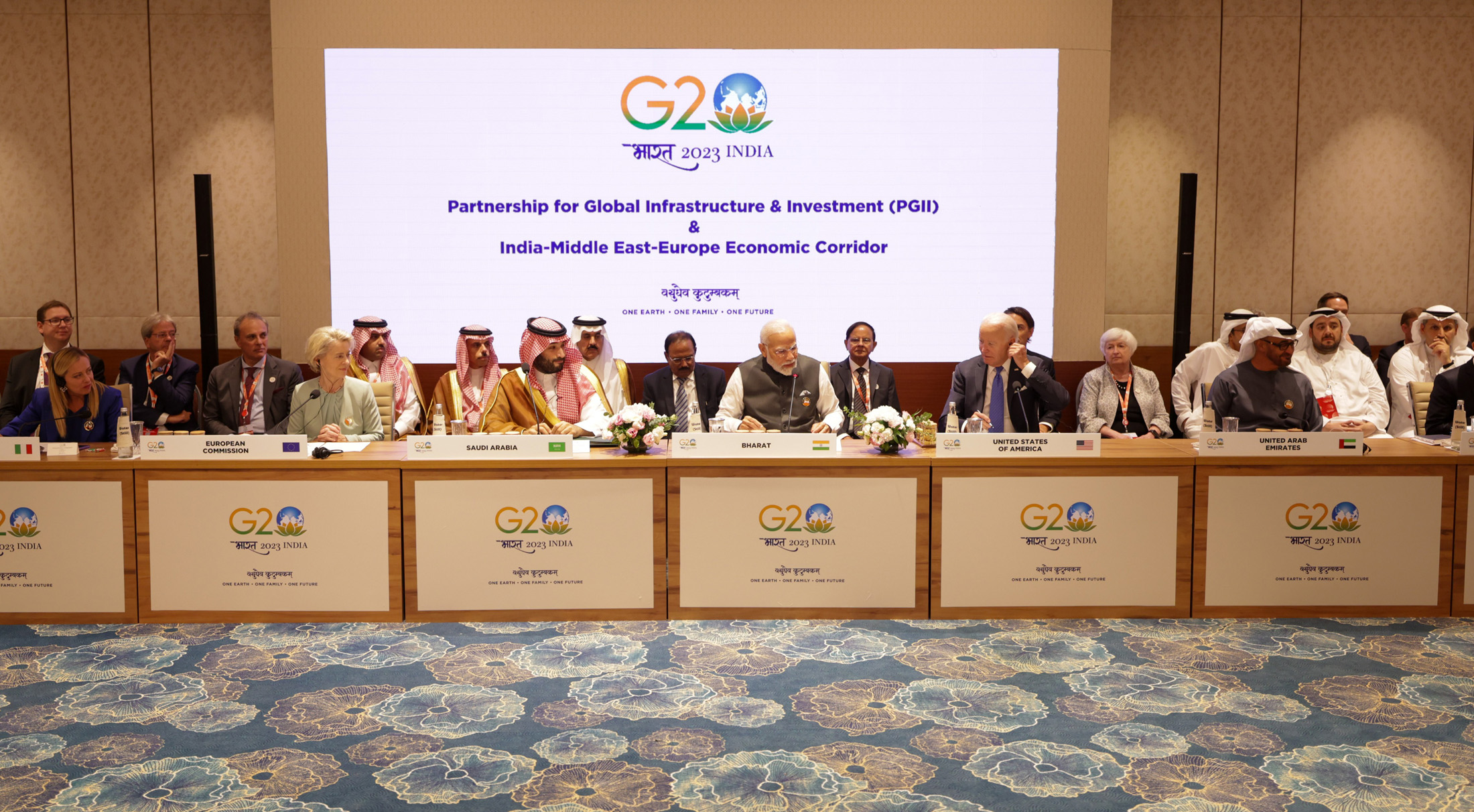
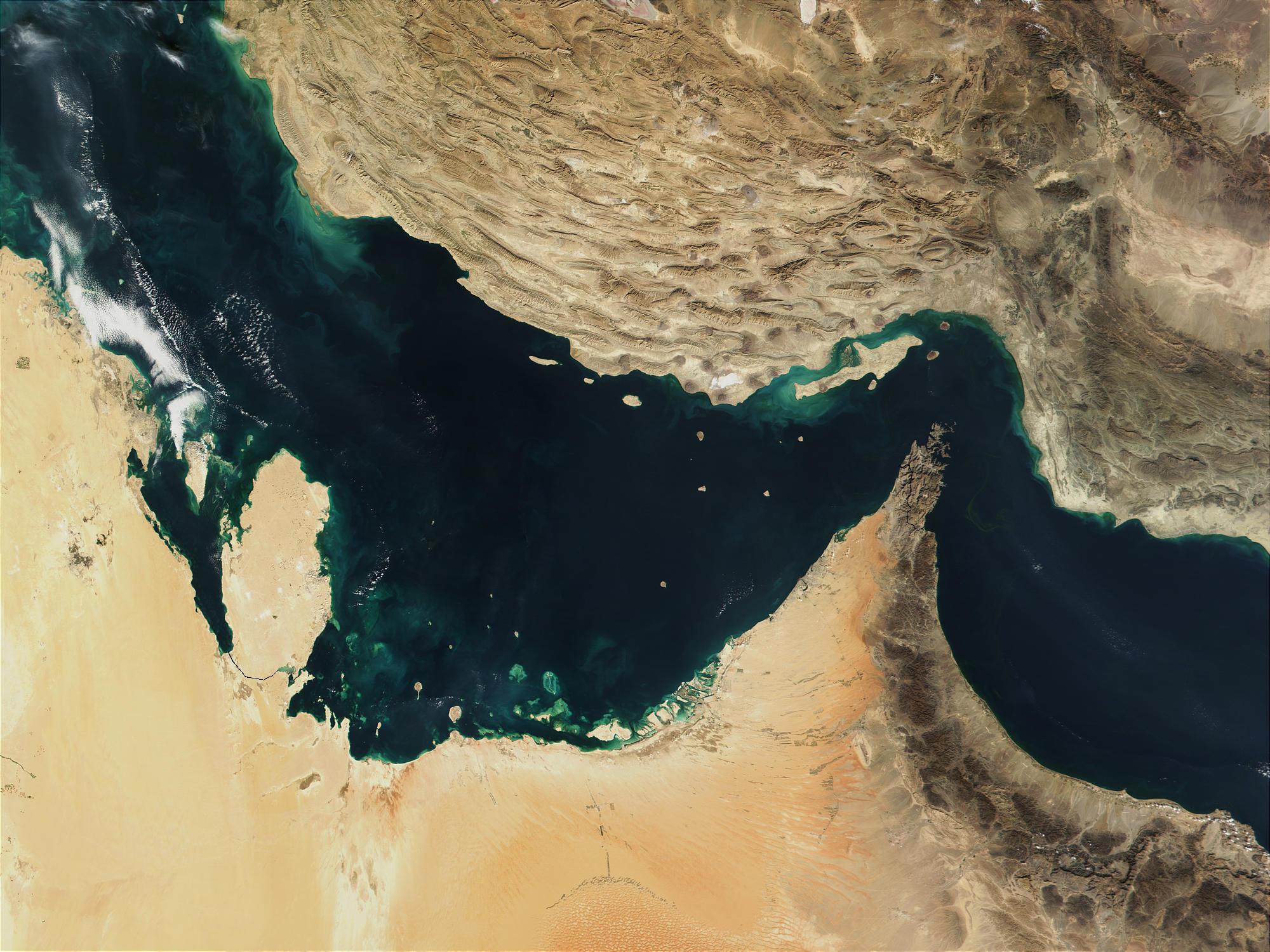
India’s expanding partnerships with rival powers across West Asia reveal both the opportunities of multialignment and the limits of strategic autonomy in protecting its energy, trade, and security interests.
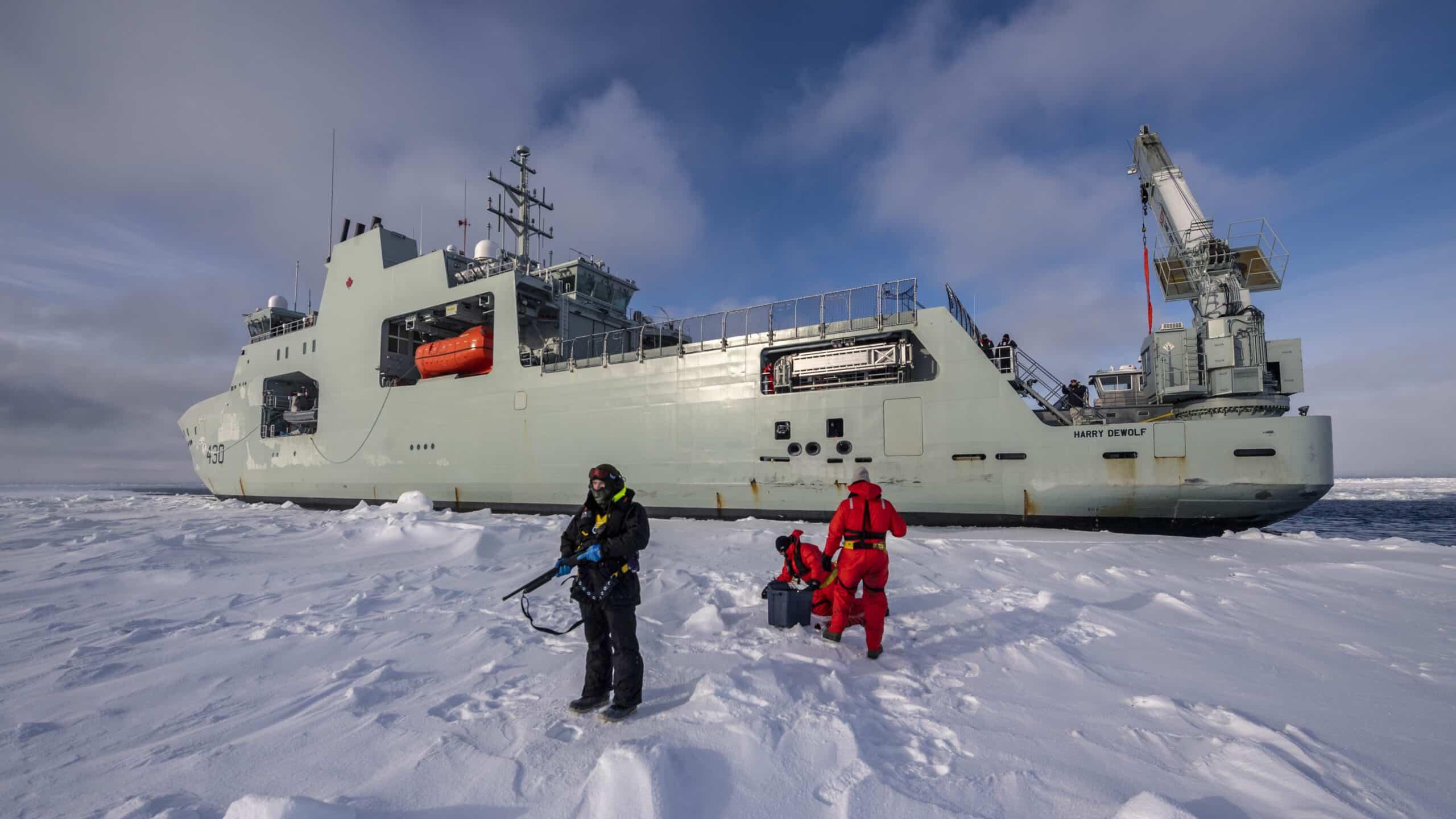
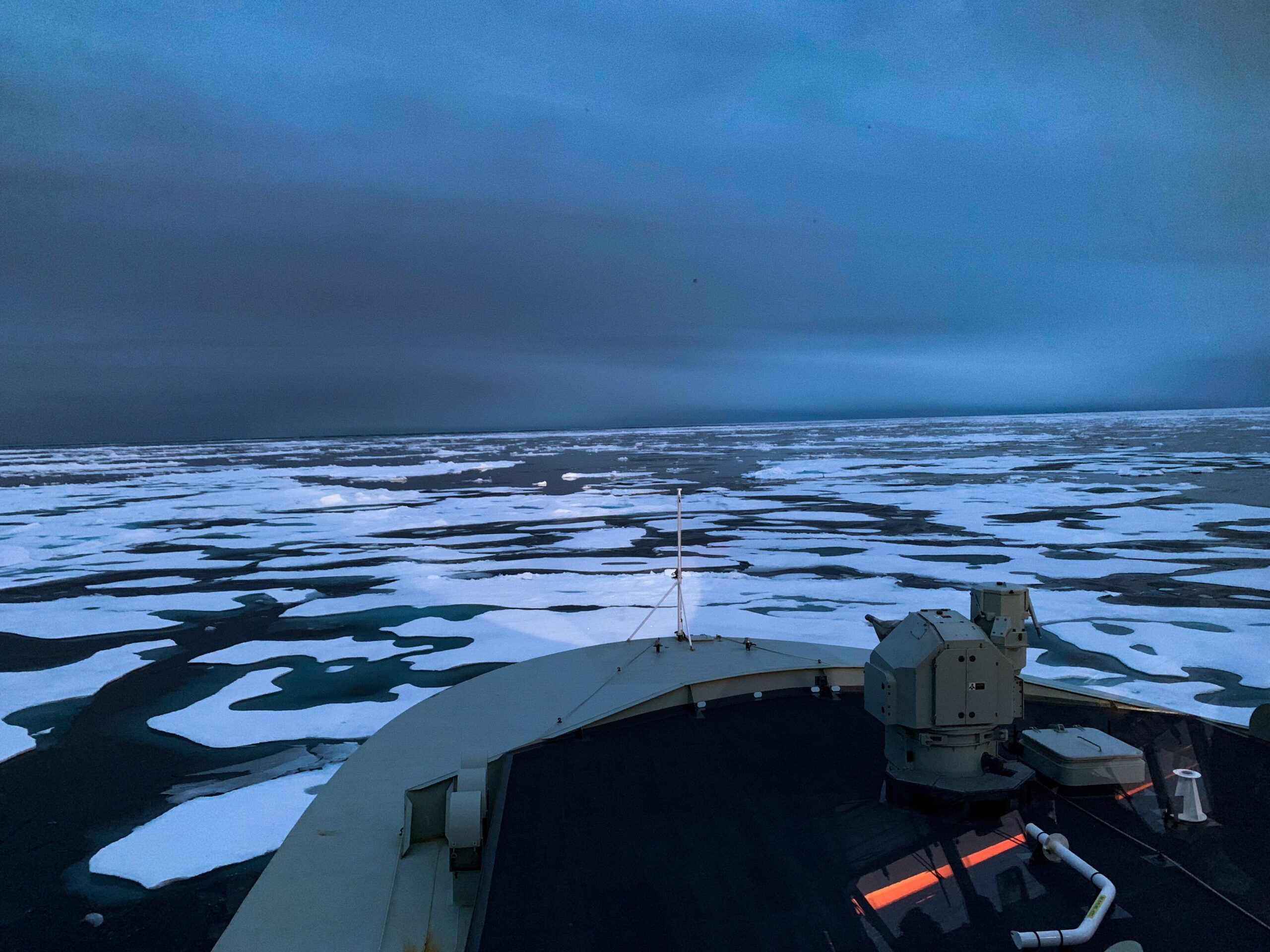
Canada’s push to diversify defence partnerships and financing will mean little for Arctic sovereignty unless Ottawa can turn procurement plans into deployable military capability.
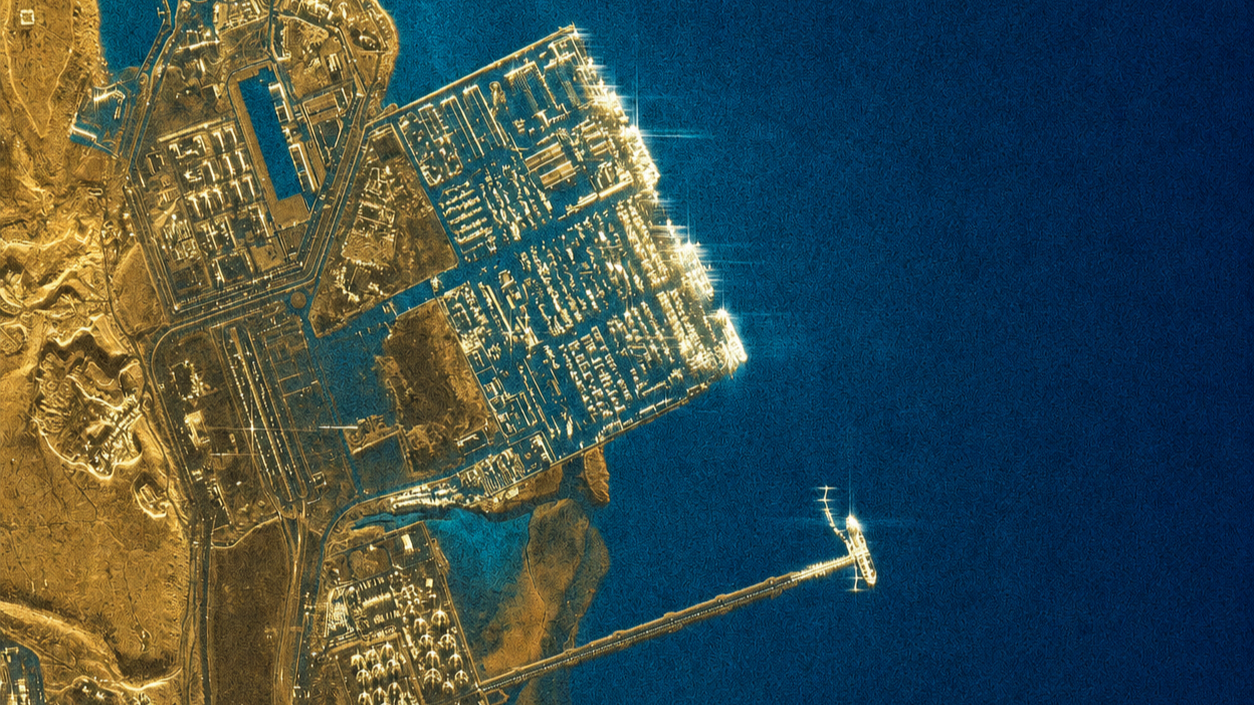
From strategic ports to corridors, political order in the Horn of Africa is being reorganized through networks of states, external powers and local actors that conventional theories struggle to capture.
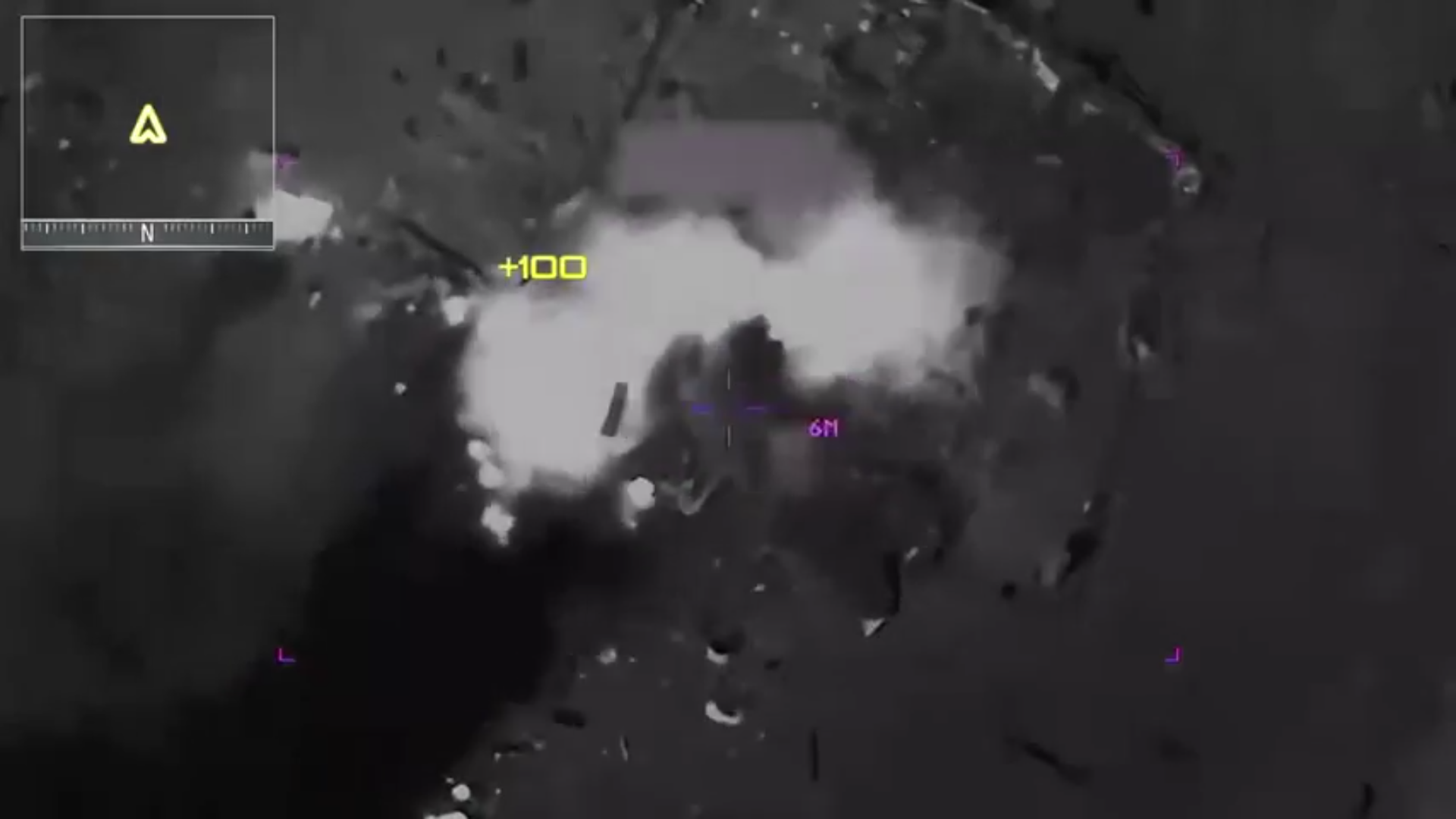
From polished US strike montages to Iran’s missile-and-drone videos, both sides are turning combat footage into evidence for competing claims of military dominance.
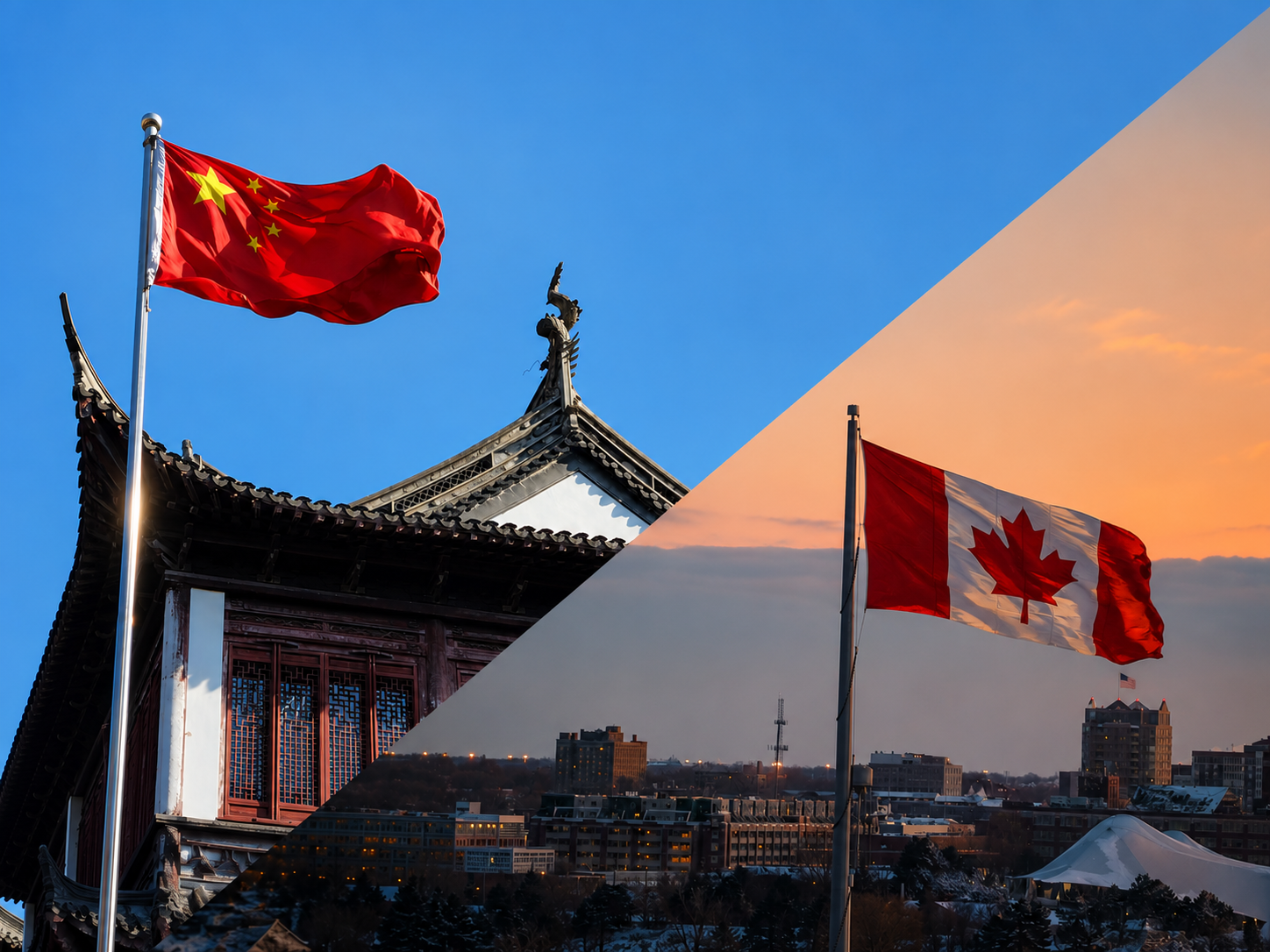
Wang Yi's May 2026 visit to Ottawa was billed as a reset. But comparing China's official statements with its policy scholars reveals how Beijing really reads Canada's shift.
Since the United States has indicated a desire to protect its domestic economy and partially withdraw from the post-World War II trading system, middle powers are scrambling to adjust.
Mr. Nouri argues that the "rescue mission" framing of the 2025 war on Iran was a deliberately capacious narrative serving several aims as Washington and Jerusalem pursued divergent objectives.
It appears the Iran war was sold as a humanitarian liberation of the Iranian people, but has steadily collapsed into a transactional negotiation with the surviving regime.
Canada’s Arctic is facing growing maritime security pressures as climate change reduces sea-ice coverage, expands vessel access, and exposes gaps in surveillance and infrastructure.
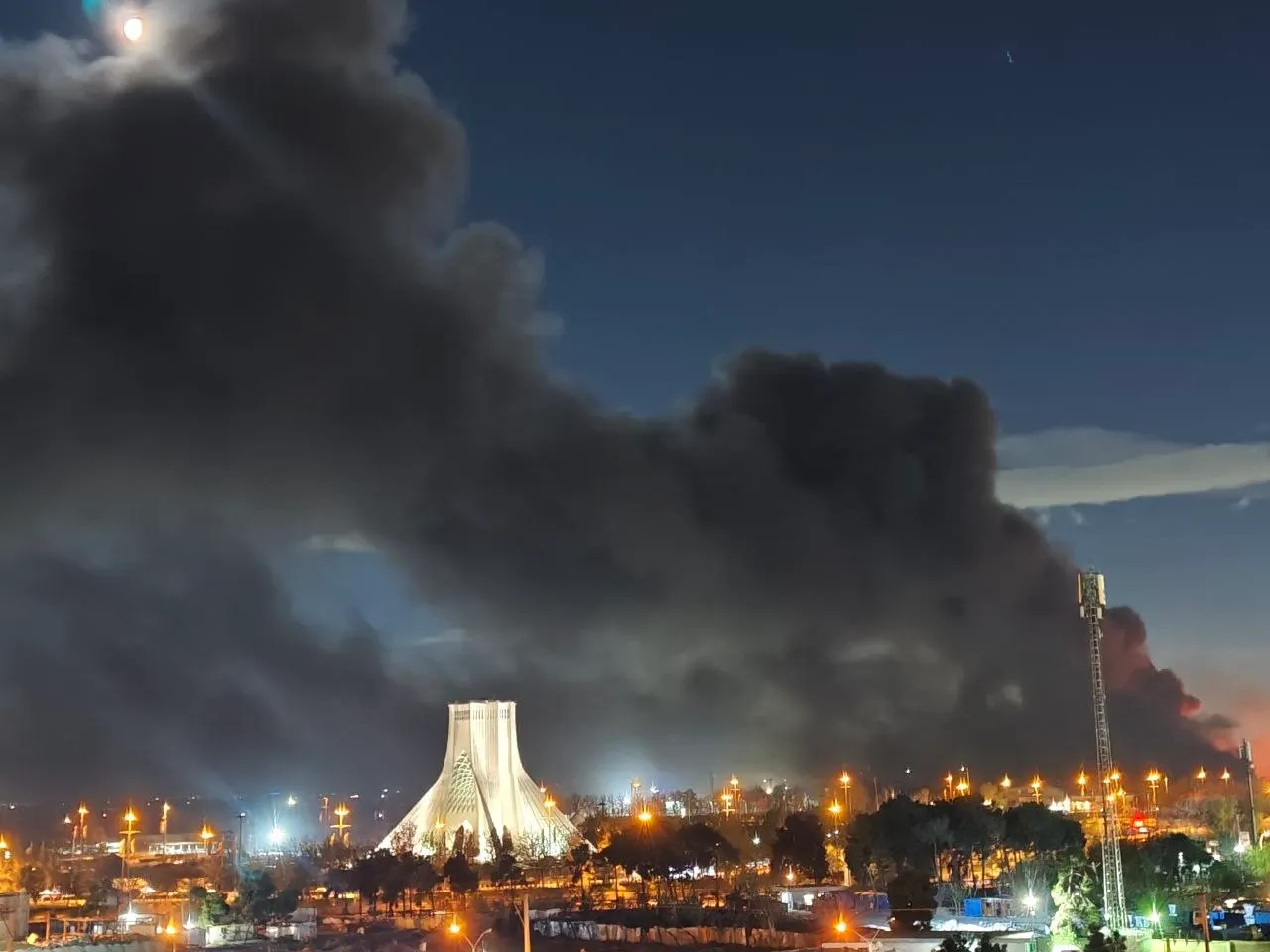
In this interview, Dan Prasuhn, Research Associate at Tessera, speaks with Dr. Alaa Al-Aridi, Professor of International Law, about the current U.S.-Israeli war with Iran and the wider regional escalation.
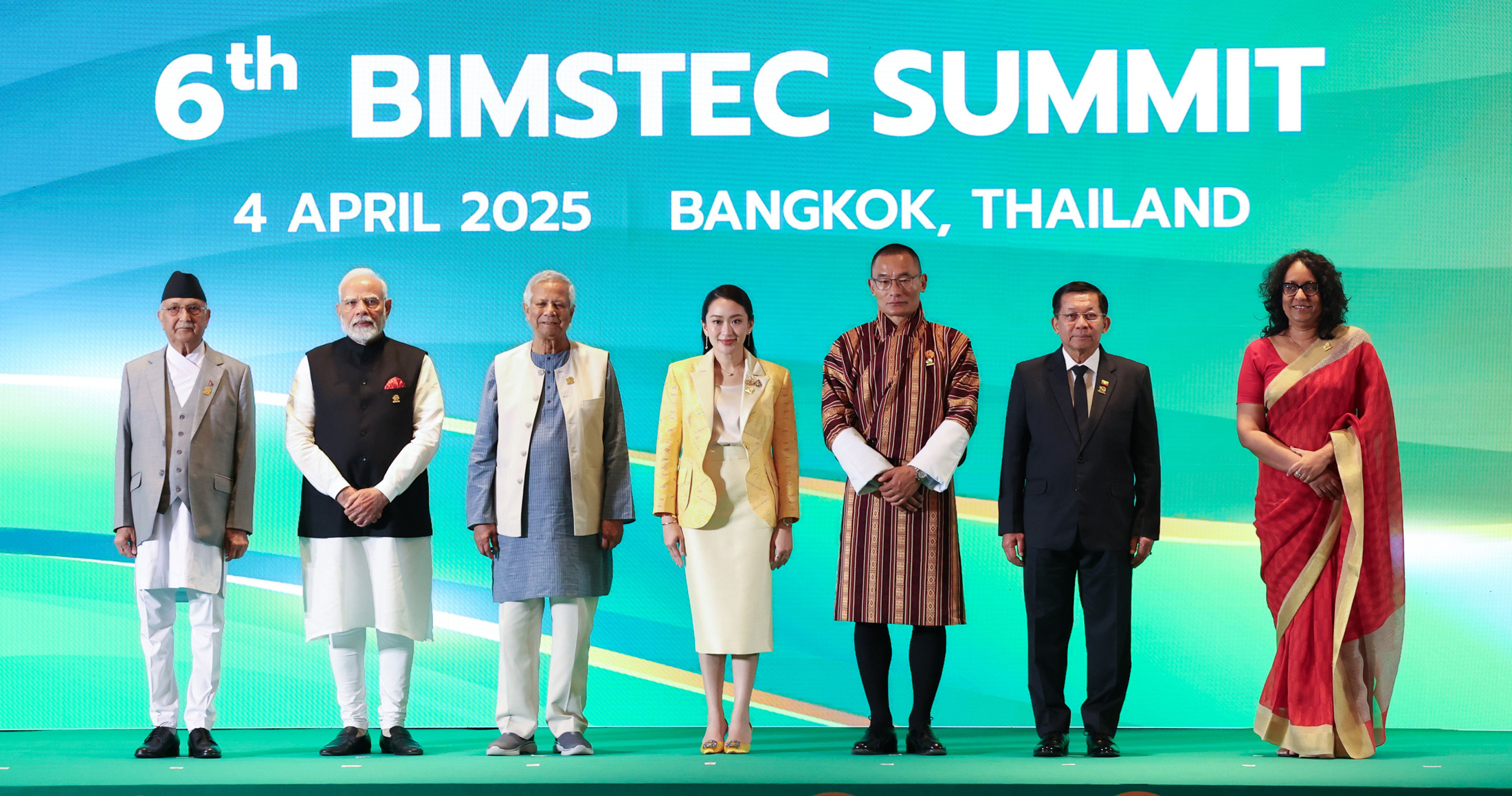
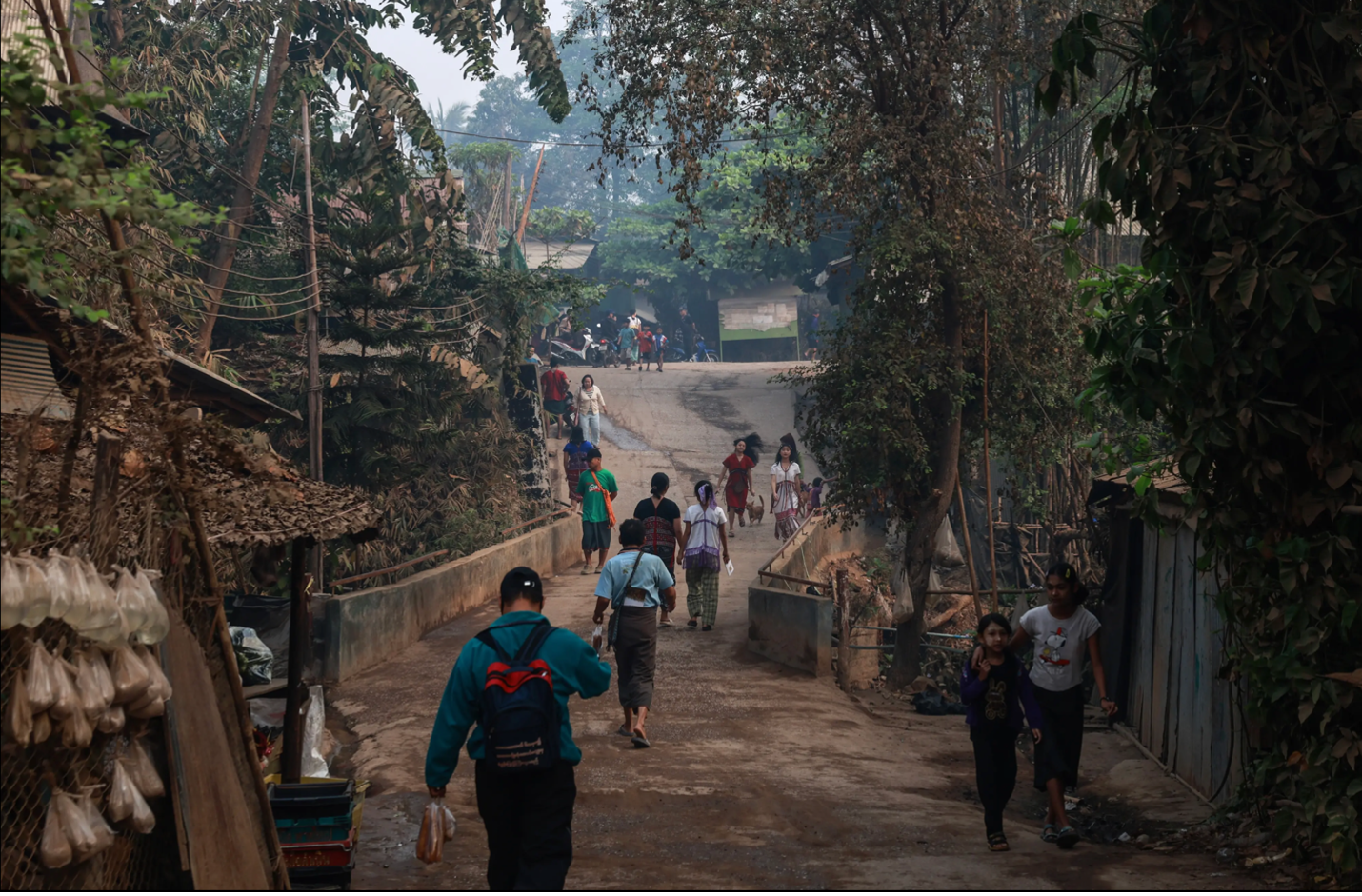
With Myanmar’s final election phase ending on January 26, 2026, this report argues that lasting stability depends less on the electoral process than on curbing the military’s corrupt revenue networks.
Catherine Moez is a postdoctoral researcher at the University of Leicester and King’s College London, currently working on a project on long-run public opinion on immigration in Europe. Previously (2024-2025),
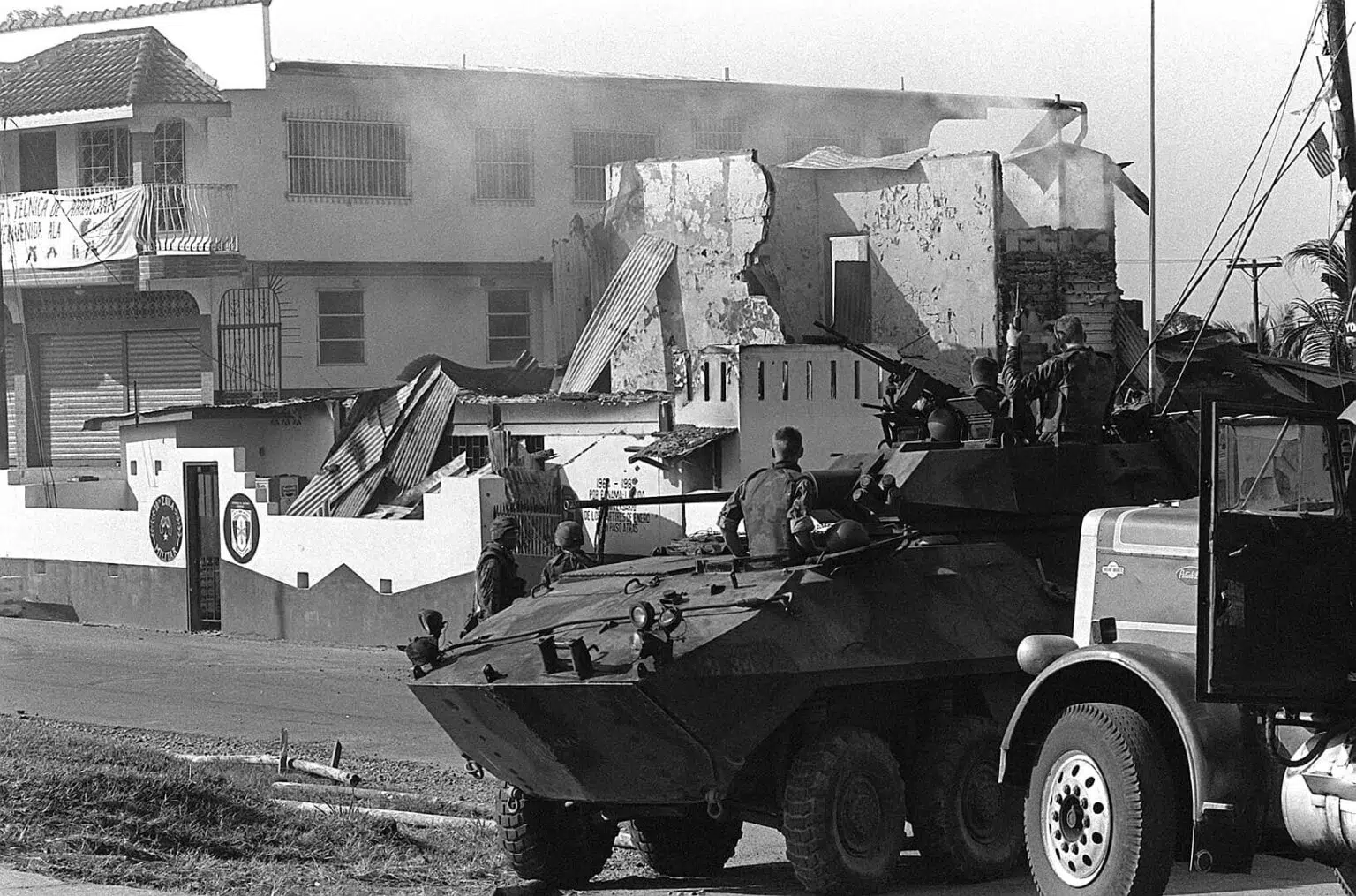
This op-ed compares the U.S. invasions of Panama and Venezuela to argue that both expose a recurring willingness to override international law in the name of national interest. It suggests
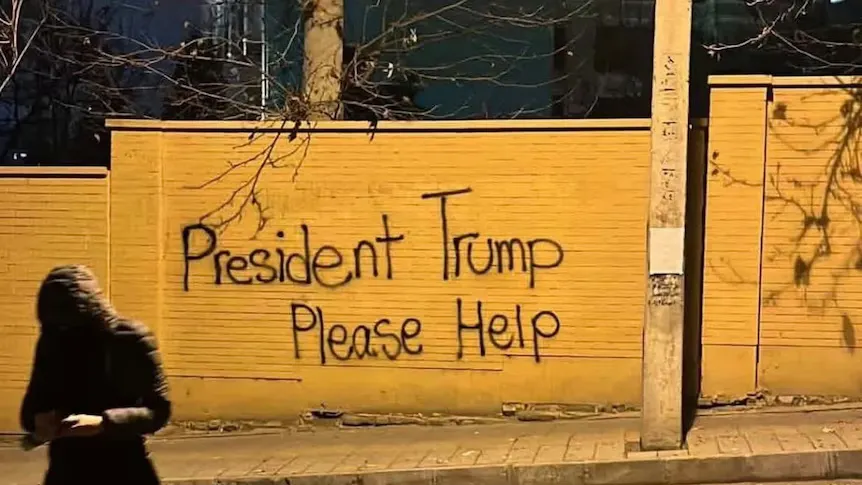
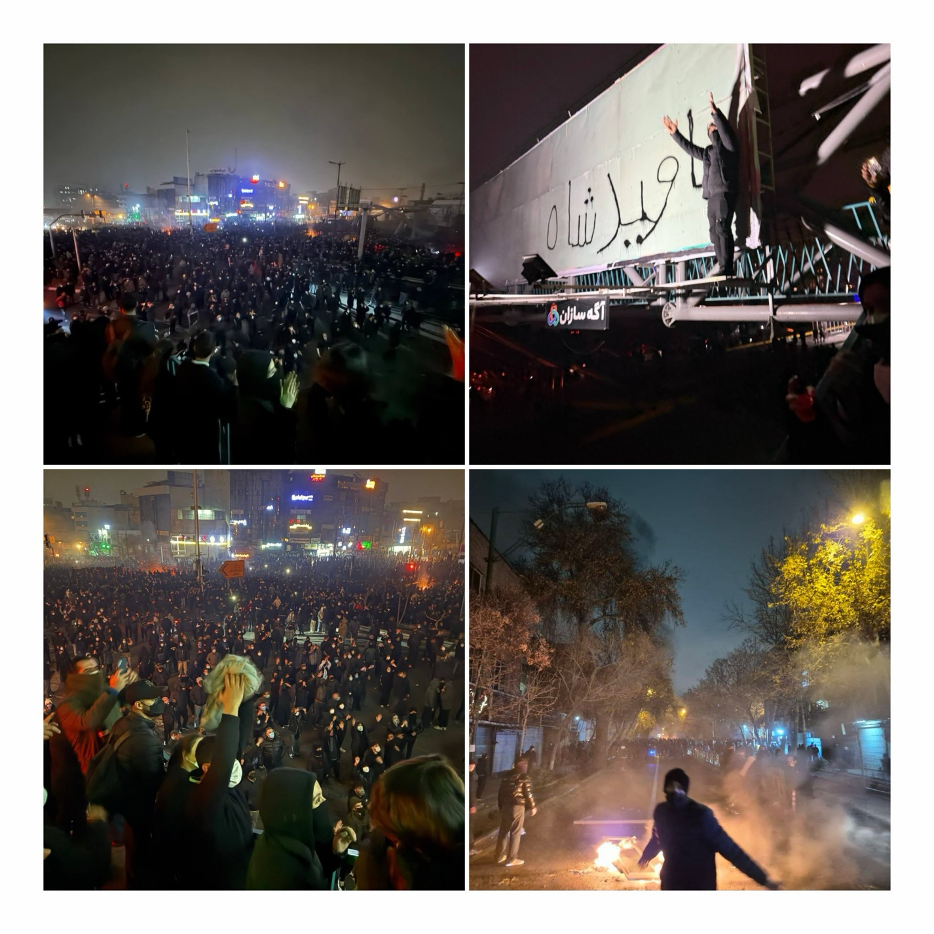
In this article, Mani Nouri examines the unfolding unrest in Iran as a revolutionary moment rather than a conventional protest movement. He argues that the convergence of mass popular anger,
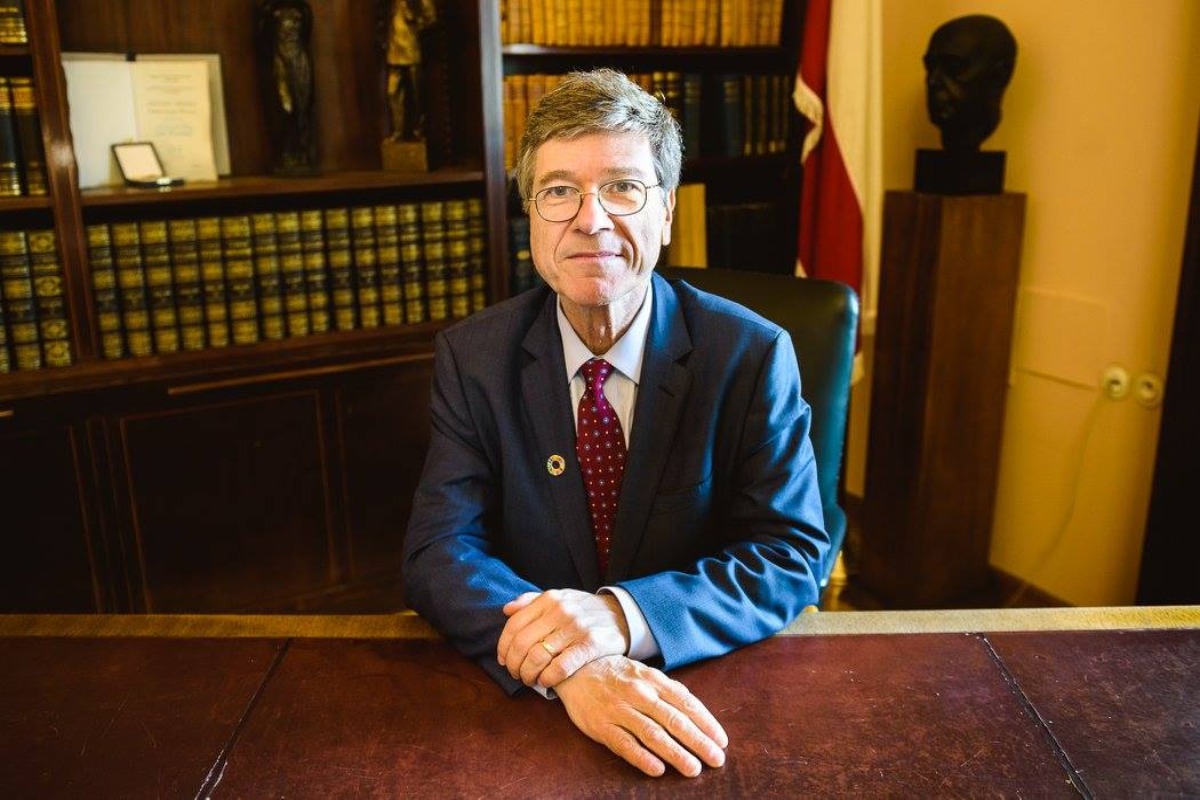
"The UN was created to place international law above anarchy... If the kidnapping of a Head of State and the bombing of a sovereign country are tolerated, the message is
Myanmar's sovereignty has been fundamentally fragmented since the military coup of February 2021, leading to a complex multi-polar conflict and Balkanization of the country along ethnic and religious lines. While
A Raphael Morrison Dorman Postdoctoral Fellow, Weatherhead Center for International Affairs, Harvard University. Salam Alsaadi holds a PhD in political science from the University of Toronto. He focuses on authoritarianism