
Many Partners, Few Options in Saudi Arabia’s Security Paradox
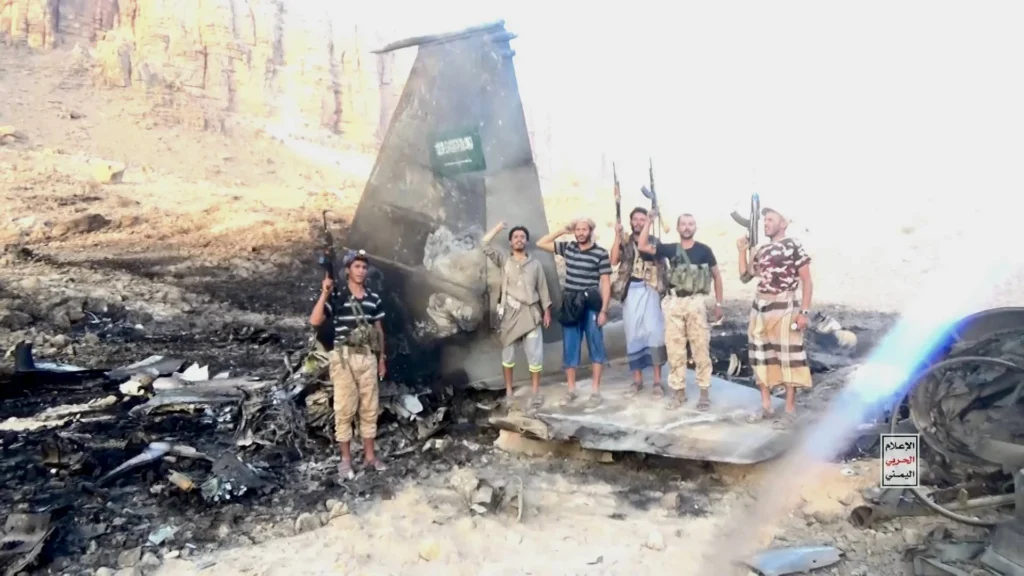
Saudi Arabia’s struggle to counter Houthi attacks exposes the gap between substantial military spending, diversified security partnerships and dependable protection.
Chinese Experts on China-U.S. Strategic Stability and What It Means for Canada
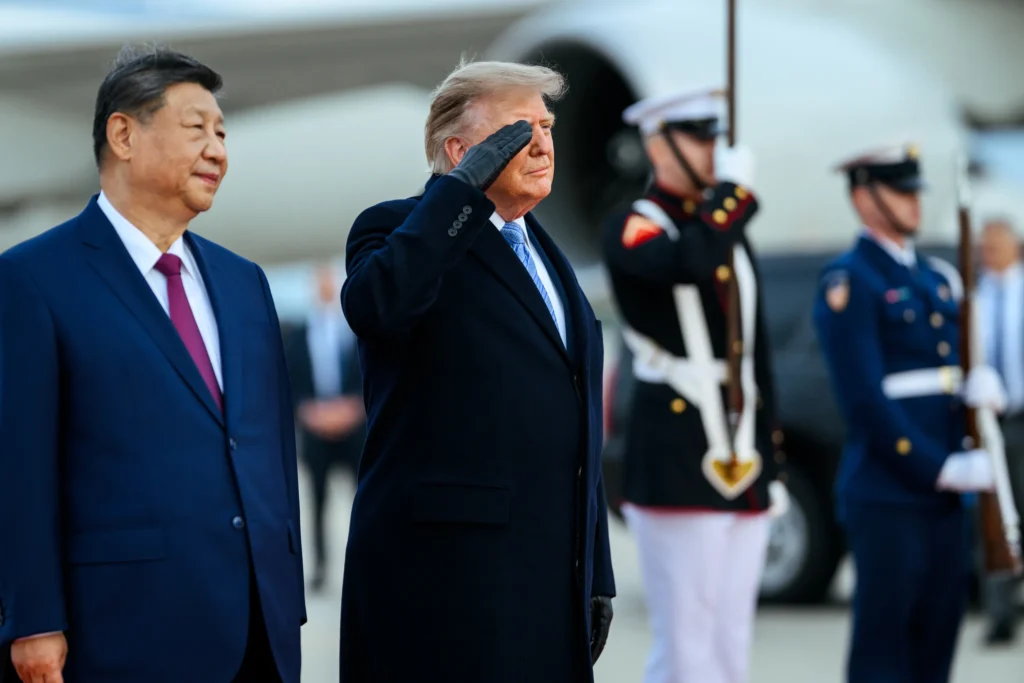
Chinese experts’ assessments of China–U.S. strategic stability suggest a framework for managing persistent competition, potentially giving Canada greater predictability in pursuing its own diplomatic and economic interests.
China Is Changing Latin America—The United States Needs to Pay Attention
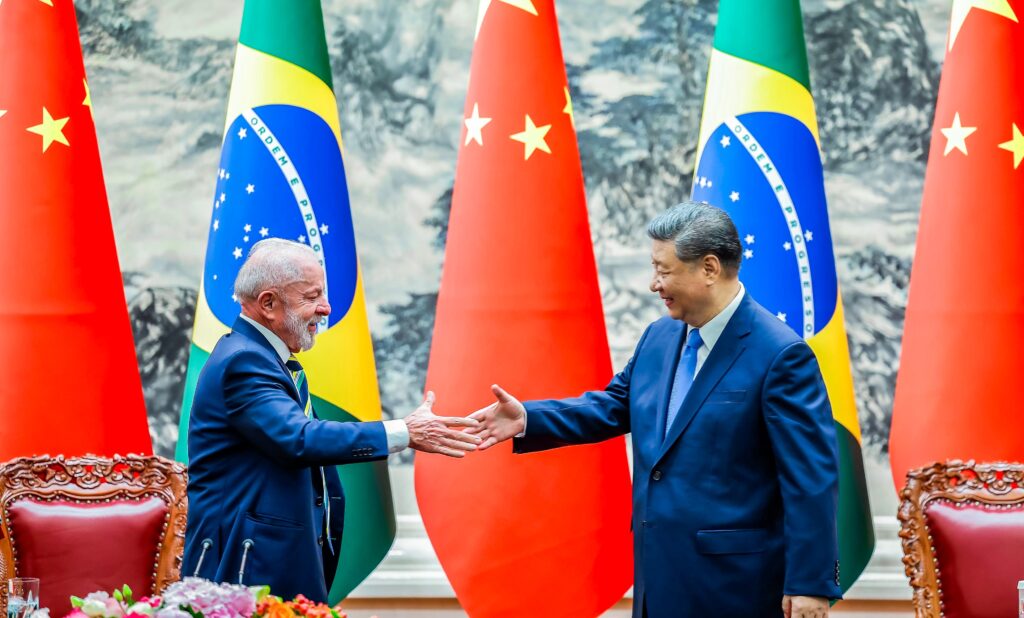
Sofia Perez examines how China’s expanding economic presence is reshaping Latin America’s international partnerships. She explores what the United States must offer to remain a competitive partner in the region.
Analysis: Russia’s Alternative Framework for Conflict Management in Africa’s Sahel
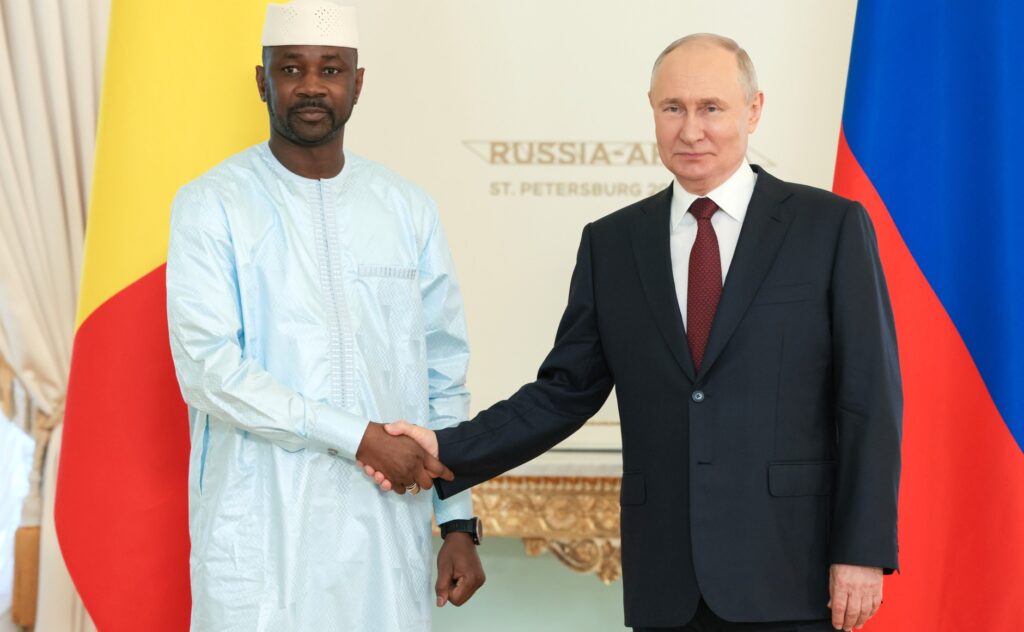
As Russia expands its security partnerships in the Sahel, Shushan Grigoryan examines how Moscow’s approach differs from France’s and what this shift means for sovereignty, regional security and European influence.
Analytical brief: India’s Relationship with West Asia
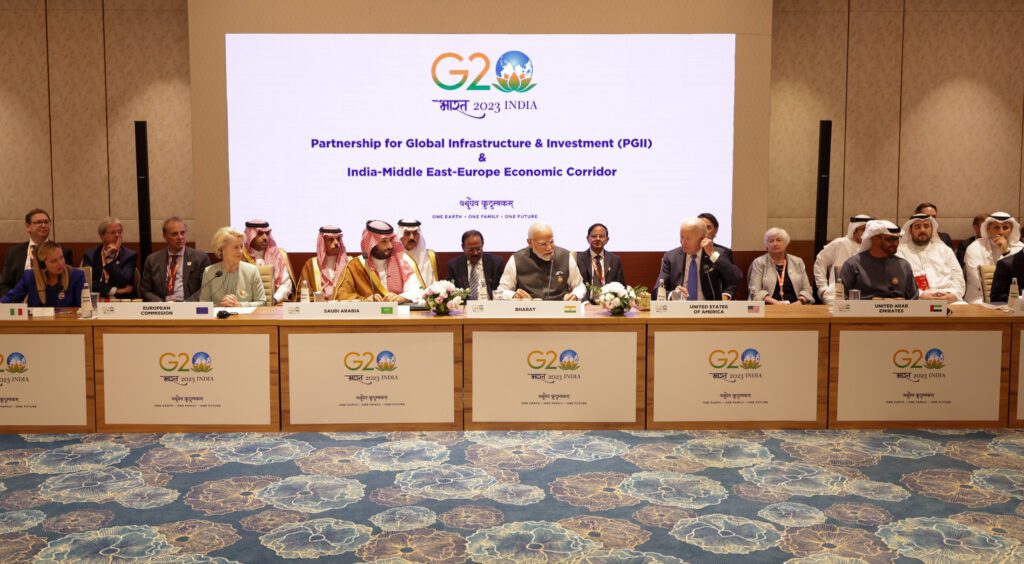
India’s expanding partnerships with rival powers across West Asia reveal both the opportunities of multialignment and the limits of strategic autonomy in protecting its energy, trade, and security interests.
Analysis: The Regionalization of Political Order in The Horn of Africa

From strategic ports to corridors, political order in the Horn of Africa is being reorganized through networks of states, external powers and local actors that conventional theories struggle to capture.
How China Interprets Wang Yi’s Visit to Canada and Canada’s China Policy

Wang Yi’s May 2026 visit to Ottawa was billed as a reset. But comparing China’s official statements with its policy scholars reveals how Beijing really reads Canada’s shift.
Op-Eds with Tessera: Contrasting the Invasions of Panama and Venezuela under International Law

This op-ed compares the U.S. invasions of Panama and Venezuela to argue that both expose a recurring willingness to override international law in the name of national interest. It suggests that Venezuela reflects a further erosion of legal restraint and of the international order itself.
Analysis with PhD(c) Justinas Stankus: The Strategic Imperative for Western Engagement with Myanmar’s Democratic Forces

Myanmar’s sovereignty has been fundamentally fragmented since the military coup of February 2021, leading to a complex multi-polar conflict and Balkanization of the country along ethnic and religious lines. While the military junta, enabled by China, maintains control of the capital Naypyidaw and major urban centers, recent advances by opposition forces are significant. Various democratic resistance forces, commonly identified as the People’s Defense Forces (PDF), often acting alongside established Ethnic Armed Organizations (EAOs), have seized control of substantial territory, including some border regions with India, Bangladesh, China, and Thailand. The State Administration Council (SAC) controls approximately one-third of Myanmar’s territory—primarily urban centers and strategic infrastructure—while opposition forces hold significant portions of the remainder, though estimates vary and the situation remains fluid.⁵ This creates a critical but time-sensitive window of opportunity for Western states to recalibrate their approach to this political crisis.