
How China Interprets Wang Yi’s Visit to Canada and Canada’s China Policy
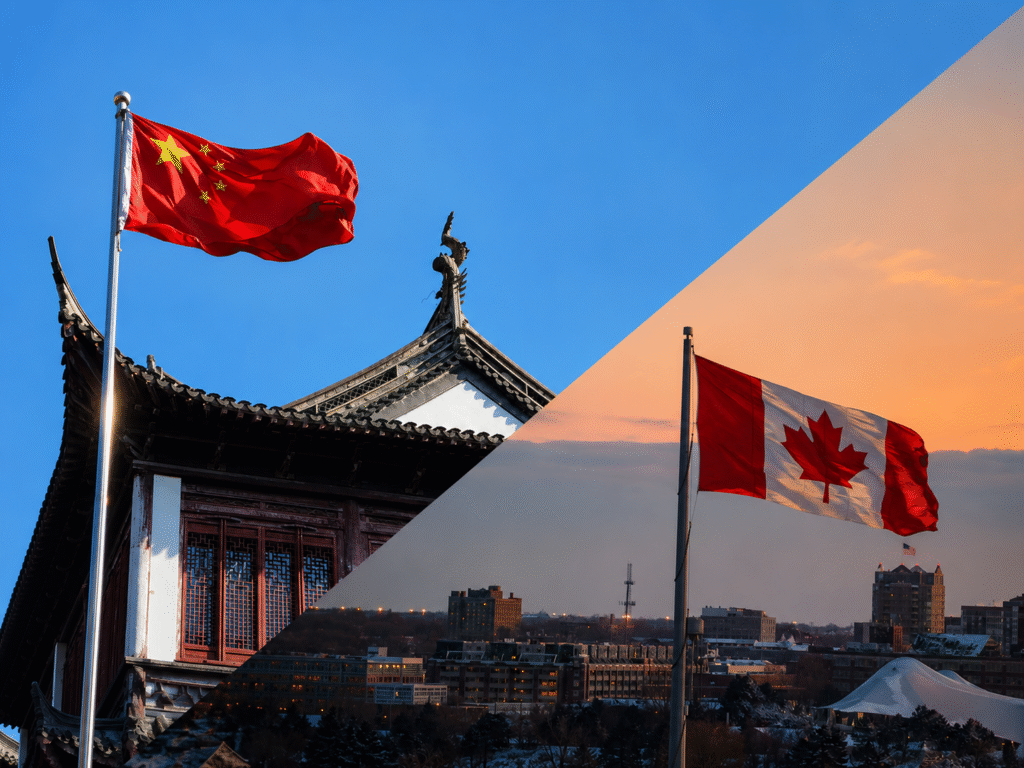
Wang Yi’s May 2026 visit to Ottawa was billed as a reset. But comparing China’s official statements with its policy scholars reveals how Beijing really reads Canada’s shift.
Op-Eds with Tessera: Contrasting the Invasions of Panama and Venezuela under International Law
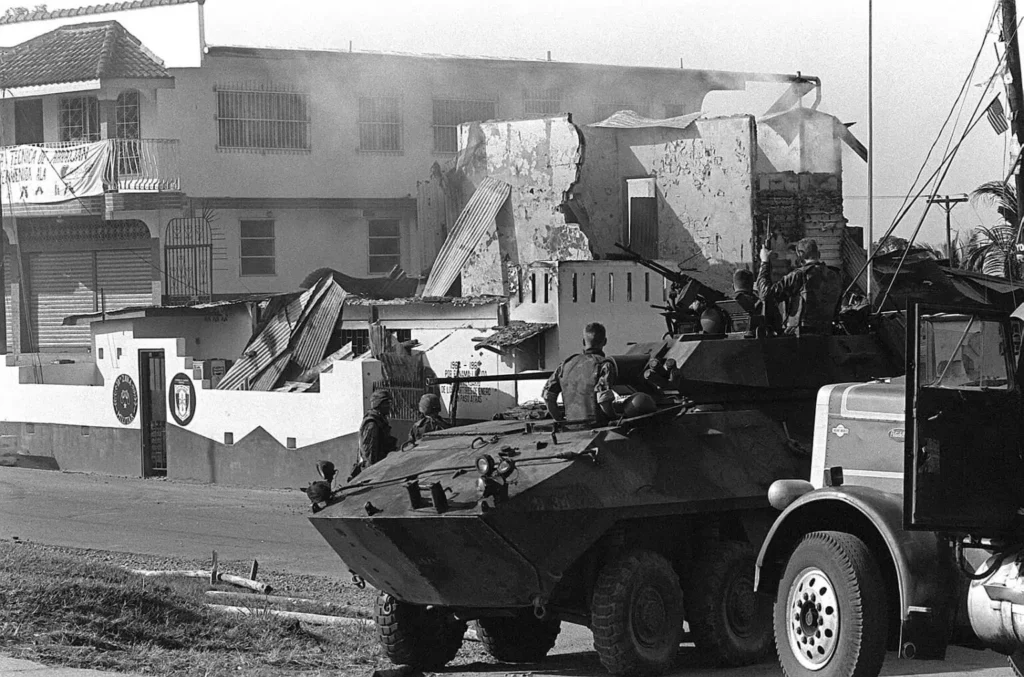
This op-ed compares the U.S. invasions of Panama and Venezuela to argue that both expose a recurring willingness to override international law in the name of national interest. It suggests that Venezuela reflects a further erosion of legal restraint and of the international order itself.
Analysis with PhD(c) Justinas Stankus: The Strategic Imperative for Western Engagement with Myanmar’s Democratic Forces
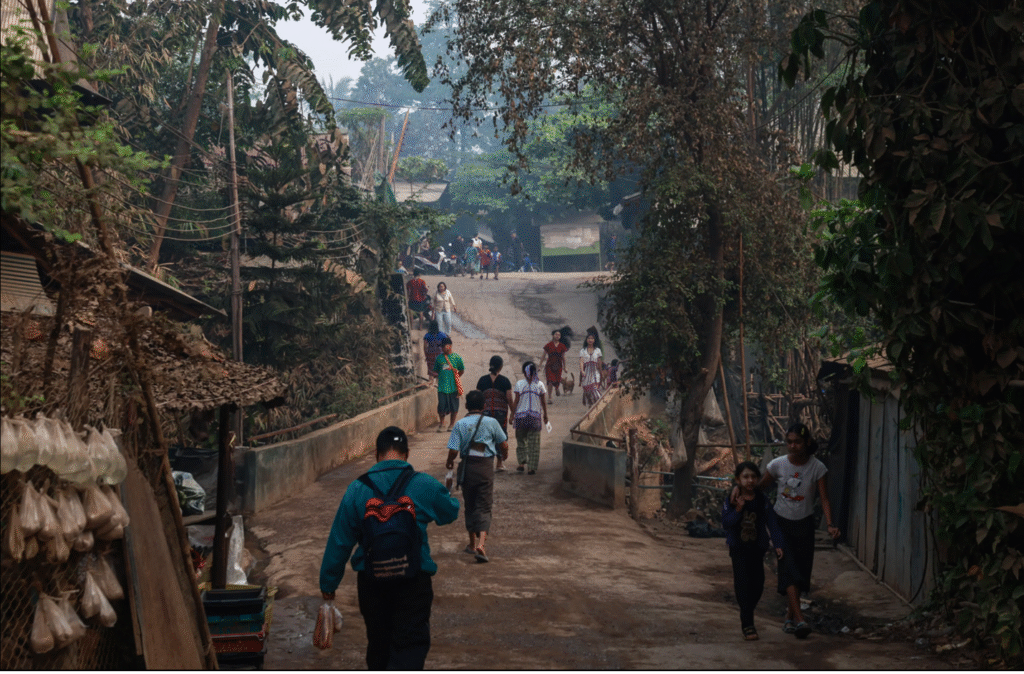
Myanmar’s sovereignty has been fundamentally fragmented since the military coup of February 2021, leading to a complex multi-polar conflict and Balkanization of the country along ethnic and religious lines. While the military junta, enabled by China, maintains control of the capital Naypyidaw and major urban centers, recent advances by opposition forces are significant. Various democratic resistance forces, commonly identified as the People’s Defense Forces (PDF), often acting alongside established Ethnic Armed Organizations (EAOs), have seized control of substantial territory, including some border regions with India, Bangladesh, China, and Thailand. The State Administration Council (SAC) controls approximately one-third of Myanmar’s territory—primarily urban centers and strategic infrastructure—while opposition forces hold significant portions of the remainder, though estimates vary and the situation remains fluid.⁵ This creates a critical but time-sensitive window of opportunity for Western states to recalibrate their approach to this political crisis.