
Chinese Experts on China-U.S. Strategic Stability and What It Means for Canada
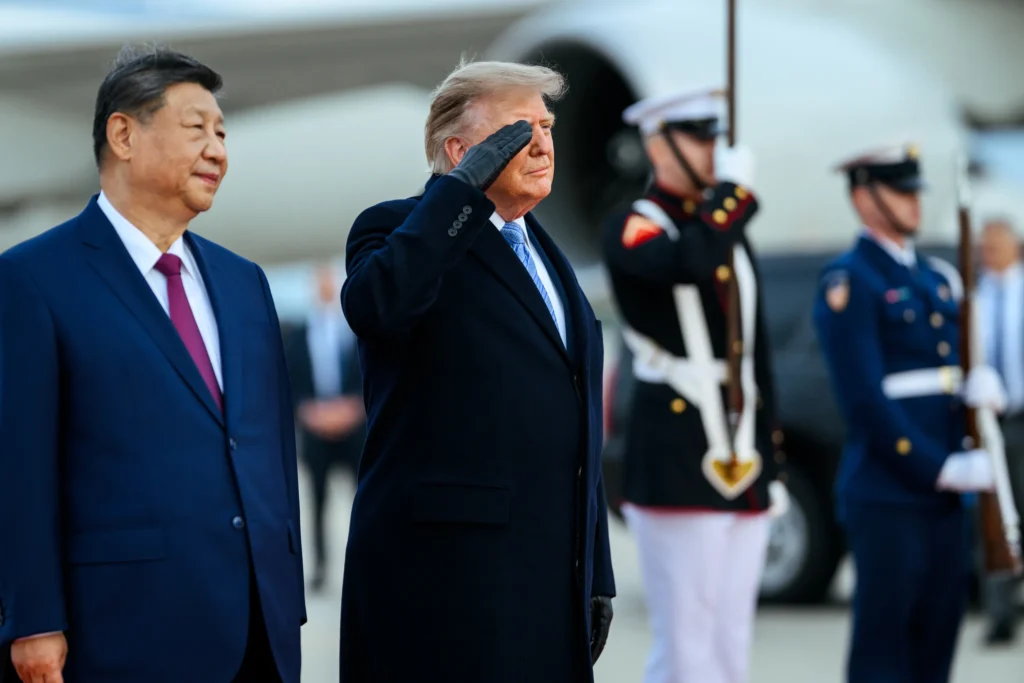
Chinese experts’ assessments of China–U.S. strategic stability suggest a framework for managing persistent competition, potentially giving Canada greater predictability in pursuing its own diplomatic and economic interests.
Op-Ed: Canadian Companies Build Smelters in the Congo. Why Not in Nunavut?
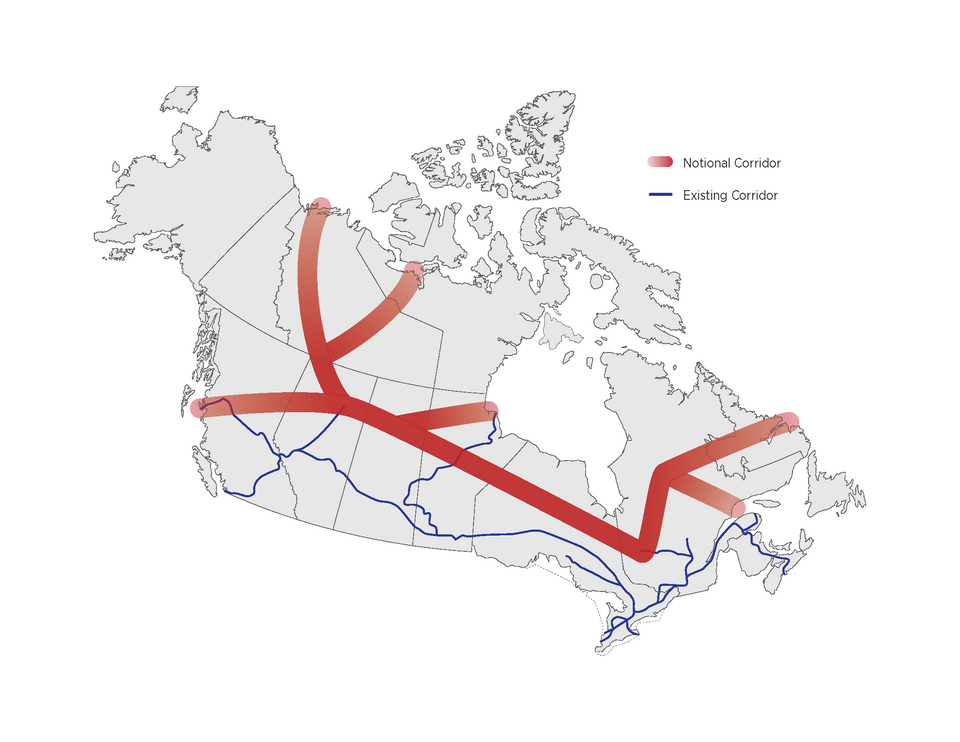
Canada is funding Arctic roads to unlock Nunavut’s zinc and copper, yet companies have no plans to process those minerals at home or to guarantee Inuit ownership of the deposits.
China Is Changing Latin America—The United States Needs to Pay Attention
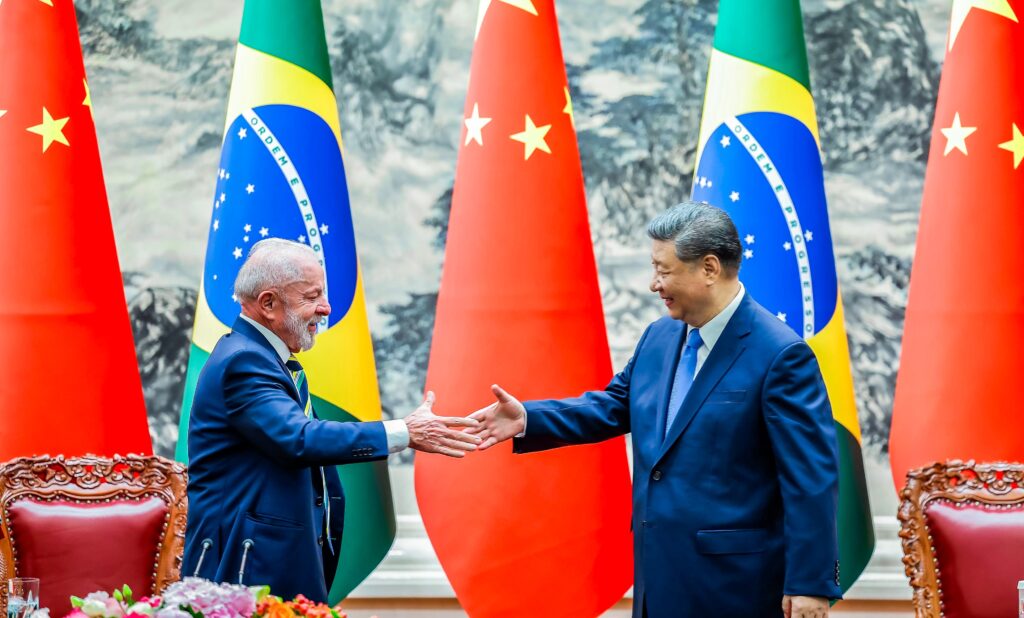
Sofia Perez examines how China’s expanding economic presence is reshaping Latin America’s international partnerships. She explores what the United States must offer to remain a competitive partner in the region.
Analytical brief: India’s Relationship with West Asia
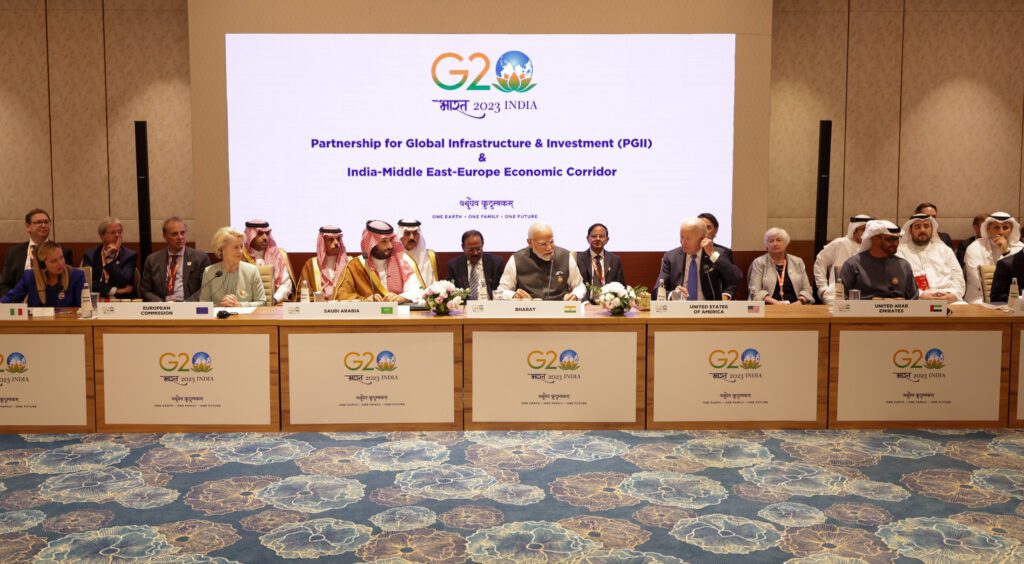
India’s expanding partnerships with rival powers across West Asia reveal both the opportunities of multialignment and the limits of strategic autonomy in protecting its energy, trade, and security interests.
Paper Sovereignty: Why a New Defense Bank Won’t Solve Canada’s Arctic Vulnerability
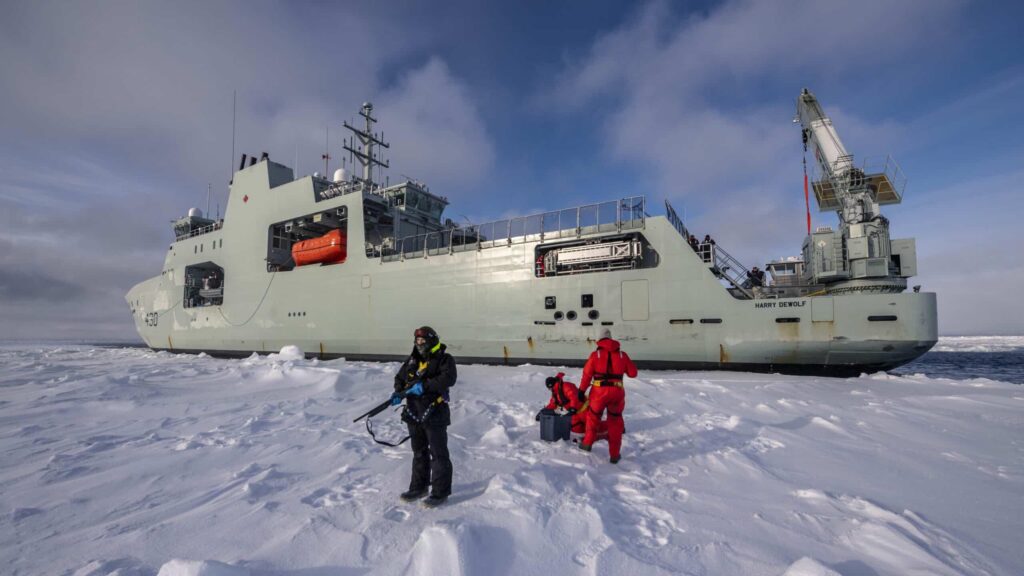
Canada’s push to diversify defence partnerships and financing will mean little for Arctic sovereignty unless Ottawa can turn procurement plans into deployable military capability.
Op-Ed: Africa is the Off-Ramp Middle Powers Need

Since the United States has indicated a desire to protect its domestic economy and partially withdraw from the post-World War II trading system, middle powers are scrambling to adjust.
Analysis with Patrick Green, MSc: Corruption and Coercion – Why Myanmar’s Civil War Persists

With Myanmar’s final election phase ending on January 26, 2026, this report argues that lasting stability depends less on the electoral process than on curbing the military’s corrupt revenue networks.