Lakshya Rohilla, Research Analyst
Over the past decade and a half, few nations in West Asia have transformed as dramatically as the Kingdom of Saudi Arabia. Under Crown Prince Mohammed bin Salman Al Saud, Riyadh has sought to transform itself from an oil-dependent nation into a hub for tourism, business, technology and sports. Simultaneously, the Kingdom is seeking a more assertive regional role while reducing its reliance on traditional US security assurances, thus pursuing economic diversification while also diversifying its diplomatic and security partnerships. Yet recent developments have exposed a contradiction at the heart of this transformation, as sustained Houthi missile and drone attacks on civilian targets and critical infrastructure, coupled with a wider regional conflict involving Iran, have left the Kingdom vulnerable. Despite possessing substantial military capabilities, the largest standing military among the GCC nations, and multiple strategic partners and alliances, Riyadh has struggled to deter or reduce these attacks while receiving limited assistance from the partners and alliances it has spent years, if not decades, cultivating. As a result, the Kingdom finds itself confronting a growing security paradox: multiple partners, substantial power, yet few effective and reliable options.
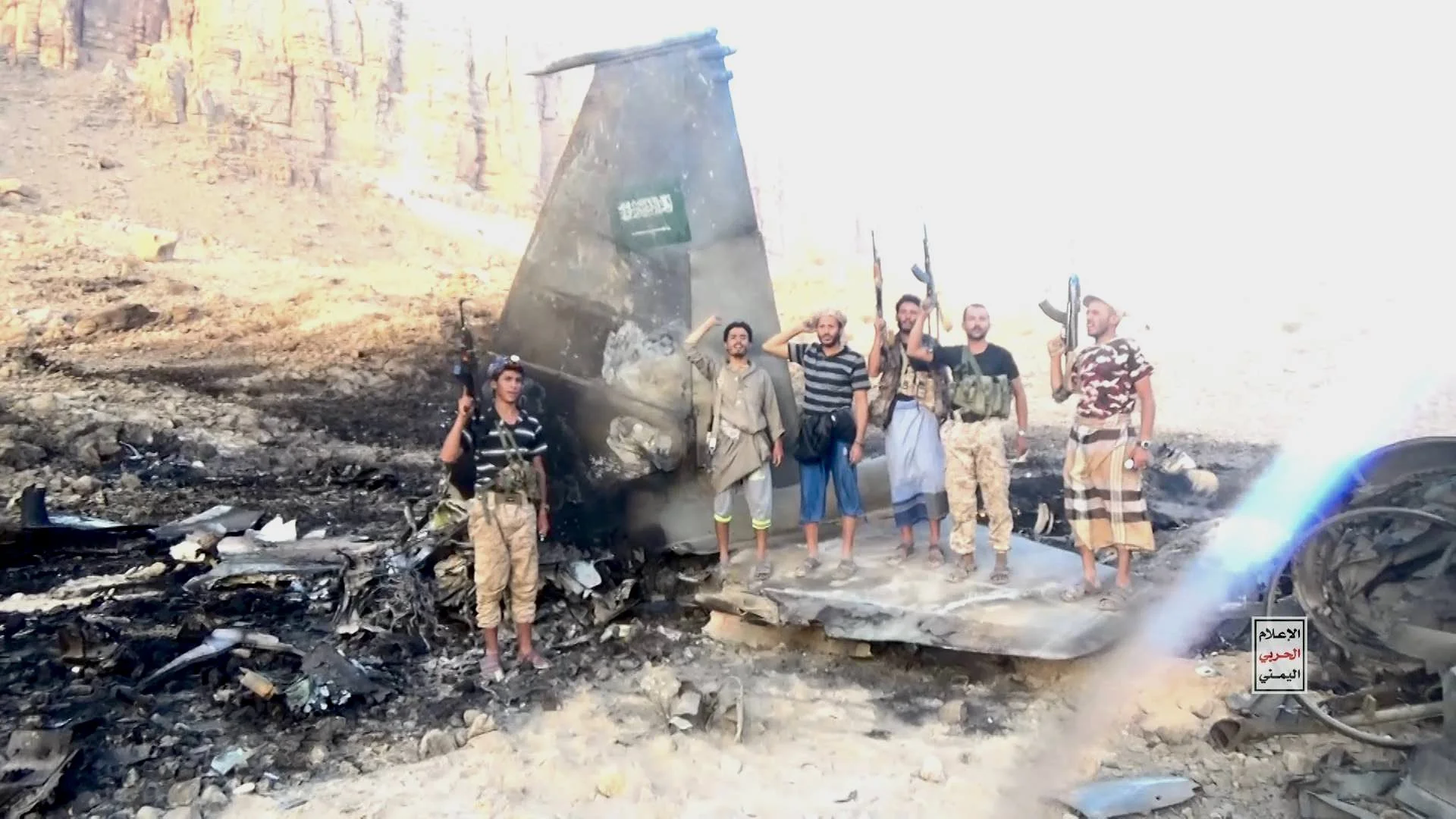
This vulnerability has become increasingly apparent in recent months, as the Houthis have broken the four-year truce with the Kingdom and dramatically escalated their attacks. In September, Riyadh faced repeated missile and drone attacks across the nation. The Houthis targeted the capital, striking an Aramco fuel depot near King Khalid International Airport in Riyadh. On September 24, Saudi authorities intercepted six ballistic missiles aimed at Taif and Saudi Aramco facilities in Yanbu, on the Red Sea coast. Additionally, the capture of the port of Mocha in Yemen by the Houthis further strengthened their position along the Red Sea coast and their ability to threaten supply chains and trade routes, potentially damaging Riyadh’s oil-dependent economy. Furthermore, the reported alerts in Mecca are particularly consequential for the Kingdom given the presence of the Grand Mosque and the Saudi monarchy’s responsibility as custodian of Islam’s two holiest mosques. Additionally, the blockade of Bab al-Mandab and the subsequent targeting of Saudi vessels could impose significant economic costs on a nation whose economy remains heavily dependent on oil revenue despite its diversification efforts.
What makes Riyadh’s inability to decisively deter the Houthis particularly interesting is the considerable disparity in conventional military power between the two sides. Saudi Arabia has long maintained one of the largest militaries in West Asia, spending roughly $83 billion on its military in 2025, making it one of the largest military spenders in the world. Riyadh possesses sophisticated weapons systems, including F-15s, Eurofighter Typhoons, and Patriot and THAAD missile defence systems. Moreover, the Trump administration recently advanced a sale of 48 F-35 jets, potentially strengthening the Kingdom’s future military capabilities. Saudi Arabia’s defence spending has been rising since the onset of the conflict involving Iran, yet this advantage has not translated into credible or lasting deterrence. The Houthis have continually demonstrated the ability to launch missiles and drones into Saudi territory, attacking critical oil and energy infrastructure and pipelines, potentially disrupting energy supplies and weighing on economic growth. This disparity reflects the challenges of asymmetric warfare: substantial spending on conventional military capabilities does not necessarily provide effective protection against missile and drone attacks.
Over decades, the Kingdom has cultivated a network of security and strategic partnerships, including its relationship with the United States, a joint defence framework within the GCC, and the newly formed Mecca Pact with Pakistan and Türkiye. Yet, when confronted with one of the most devastating strings of Houthi attacks, external assistance was initially limited. While the UK stepped up, providing RAF Voyager refuelling aircraft, and President Macron pledged to send military support and defence systems, the extent to which these measures will reduce Saudi Arabia’s vulnerability remains uncertain, and Riyadh continues to shoulder much of the operational burden against the Houthis. This exposes an uncomfortable distinction between possessing numerous strategic partners and having allies willing to provide direct support during an active armed conflict. These relationships differ in their legal obligations, operational arrangements, and the circumstances under which partners would provide military assistance. The United States has long occupied the central position within Saudi Arabia’s external security architecture, yet Washington’s support has remained limited rather than extending to a substantial direct military commitment. Washington has sought to avoid a larger combat role while reportedly hosting meetings with Houthi leaders at the US Embassy in Muscat. Moreover, Washington is running low on critical weapons, including Patriot and THAAD interceptors, potentially constraining its ability to assist one of its closest and longest-standing regional partners.
These recent Houthi attacks have also brought the Mecca Pact back into focus. Although the agreement was designed around a collective defence and security framework, the initial response from Pakistan and Türkiye was muted, consisting largely of condemnation and pledges of solidarity. Both countries subsequently pledged rapid deployments on October 5, and Reuters reported on October 7 that Türkiye was providing mainly defensive and technical support. On October 20, Türkiye submitted the agreement to parliament for ratification. These developments qualify the earlier picture of inaction, although their implications for lasting deterrence remain uncertain. While describing the pact as completely dead would be premature and shortsighted, its early hesitation and evolving implementation raise legitimate questions about what it guarantees in practice. If sustained attacks against Saudi territory continue despite these commitments, Riyadh may find that diversifying security partnerships on paper does not necessarily translate into dependable protection or credible deterrence.
While Saudi-backed Yemeni forces have expelled Houthis from several areas around Bab al-Mandab and the port city of Mocha, this does not necessarily resolve Riyadh’s broader security predicament. The limited assistance from Riyadh’s extensive network of alliances and partnerships suggests that the Kingdom may have to prepare for a more self-reliant security posture. Riyadh must recognise the distinction between diplomatic partnerships and alliances and dependable wartime guarantees. As a result, it must place greater emphasis on developing indigenous capabilities in integrated air and missile defence systems, drone technologies, and intelligence. For a Kingdom seeking greater strategic autonomy and deterrence, this crisis may ultimately demonstrate that autonomy requires not merely a diversification of partnerships and alliances, but a greater indigenous capacity to guarantee its own security and build its own deterrence.