
Reconciling the Past, Securing the Future: Greenland’s Changing Security Environment
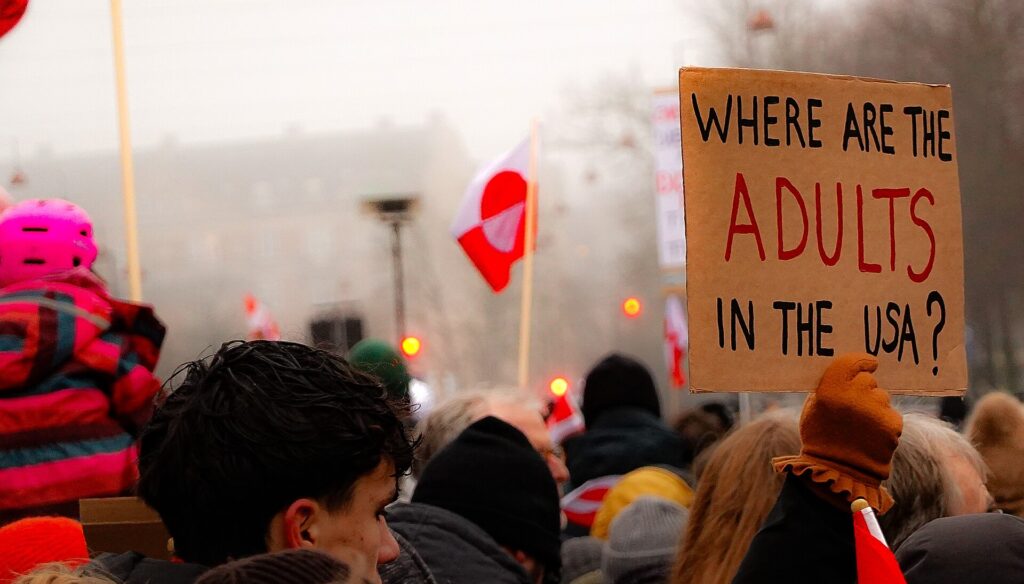
As US pressure on Greenland intensifies, addressing Denmark’s colonial legacy could strengthen trust, bolster resilience, and help Greenlanders determine their own political future.
Surveillance by Design — How Delhi Policed a Student Protest
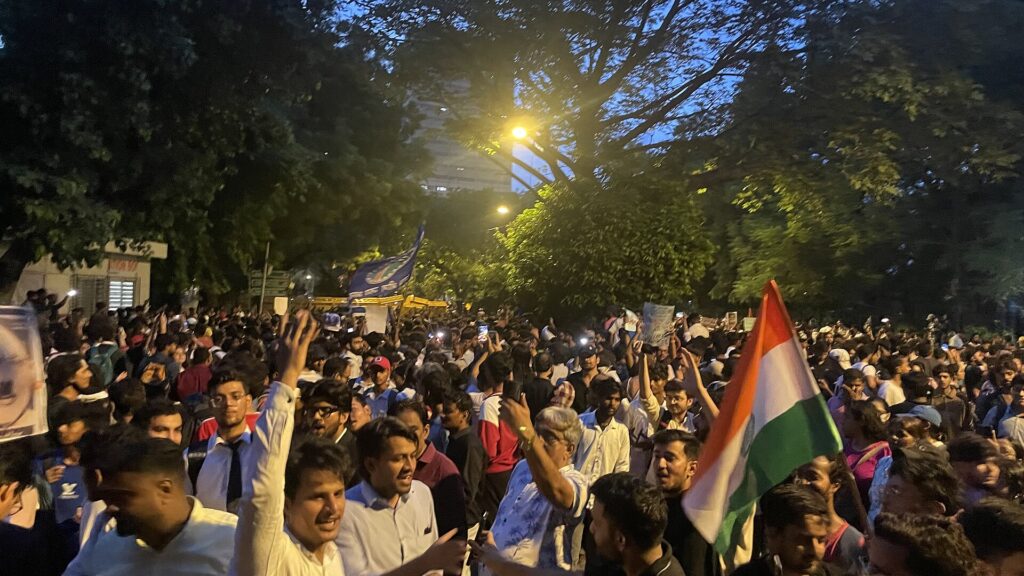
Delhi’s use of facial recognition at student protests raises a troubling question: what remains of the freedom to assemble when attendance can become a lasting police record?
The AfD’s Electoral Success in Eastern Germany: An Analysis of its Underlying Factors
The AfD’s victory in Saxony-Anhalt puts Germany’s east–west divide in focus, raising questions about how economic inequality, demographic imbalances and emotional political messaging shape its appeal.
Blood on the Algorithms: How Combat Footage Shapes the Propaganda of the Iran-US War
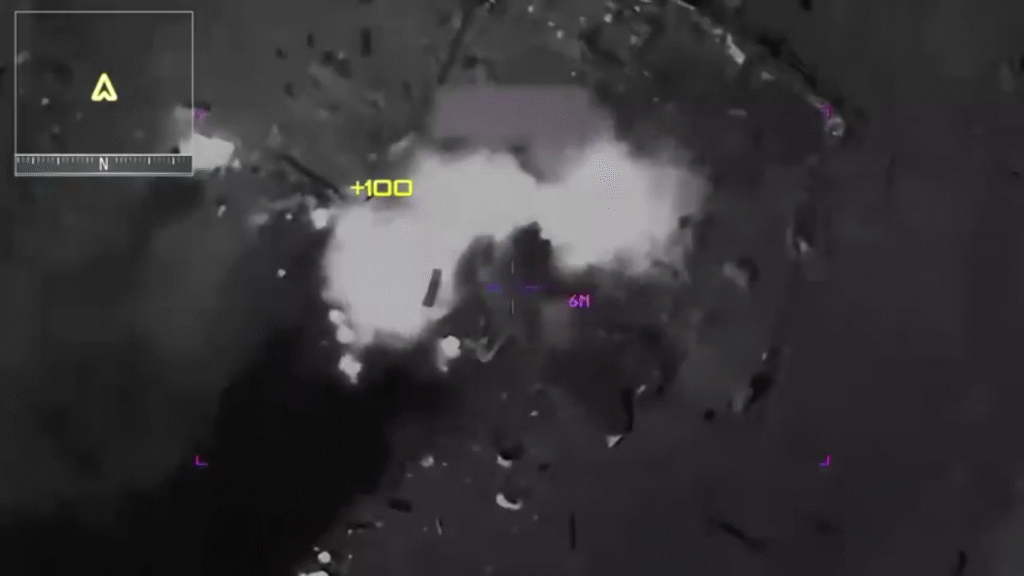
From polished US strike montages to Iran’s missile-and-drone videos, both sides are turning combat footage into evidence for competing claims of military dominance.
Op-Ed by Mani Nouri: From Rescue Mission to What, Exactly? Part II

Mr. Nouri argues that the “rescue mission” framing of the 2025 war on Iran was a deliberately capacious narrative serving several aims as Washington and Jerusalem pursued divergent objectives.
Op-Ed: Mani Nouri, PhD(c), discussed the popular uprising in Iran
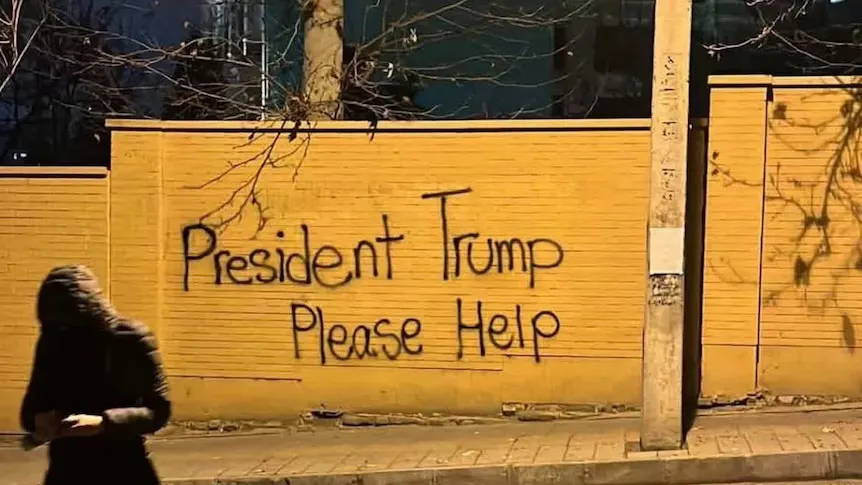
It appears the Iran war was sold as a humanitarian liberation of the Iranian people, but has steadily collapsed into a transactional negotiation with the surviving regime.
Op-Eds with Tessera: Contrasting the Invasions of Panama and Venezuela under International Law

This op-ed compares the U.S. invasions of Panama and Venezuela to argue that both expose a recurring willingness to override international law in the name of national interest. It suggests that Venezuela reflects a further erosion of legal restraint and of the international order itself.
Analysis with Mani Nouri, PhD(c): No Going Back – Iran’s 2026 Revolutionary Uprising
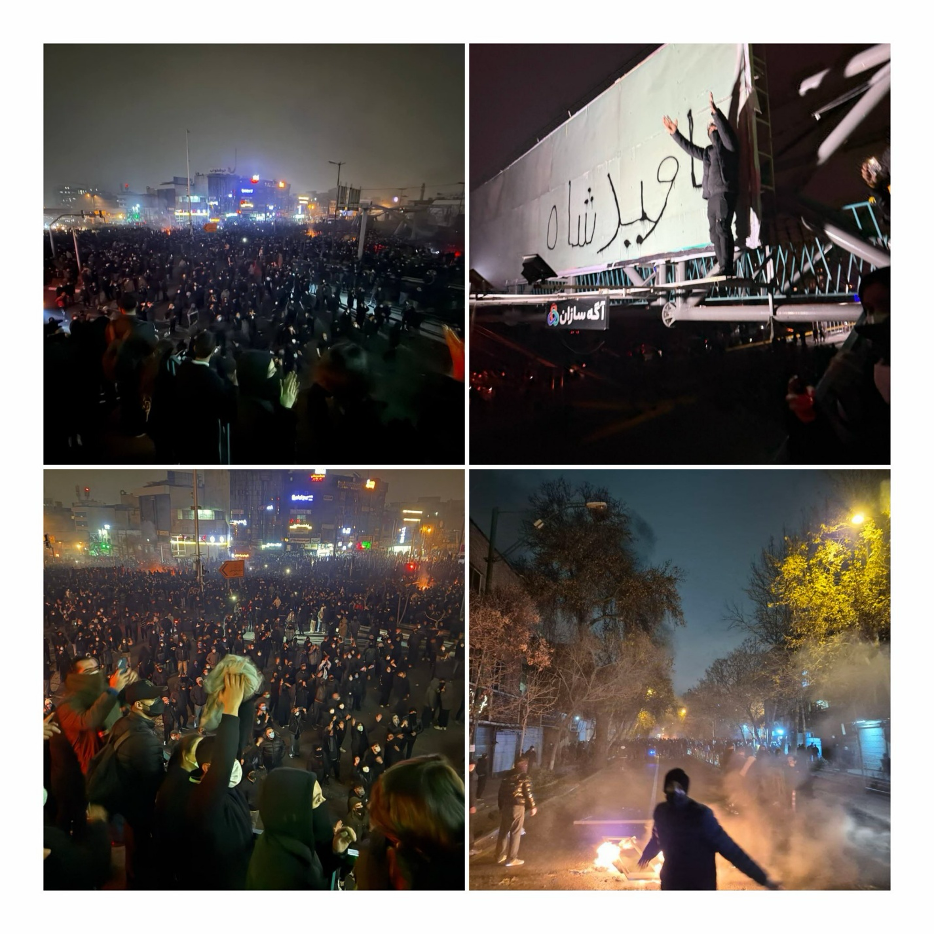
In this article, Mani Nouri examines the unfolding unrest in Iran as a revolutionary moment rather than a conventional protest movement. He argues that the convergence of mass popular anger, regime overreach, and regional geopolitical setbacks has created the most profound challenge to the Islamic Republic in decades.
Analysis with PhD(c) Justinas Stankus: The Strategic Imperative for Western Engagement with Myanmar’s Democratic Forces

Myanmar’s sovereignty has been fundamentally fragmented since the military coup of February 2021, leading to a complex multi-polar conflict and Balkanization of the country along ethnic and religious lines. While the military junta, enabled by China, maintains control of the capital Naypyidaw and major urban centers, recent advances by opposition forces are significant. Various democratic resistance forces, commonly identified as the People’s Defense Forces (PDF), often acting alongside established Ethnic Armed Organizations (EAOs), have seized control of substantial territory, including some border regions with India, Bangladesh, China, and Thailand. The State Administration Council (SAC) controls approximately one-third of Myanmar’s territory—primarily urban centers and strategic infrastructure—while opposition forces hold significant portions of the remainder, though estimates vary and the situation remains fluid.⁵ This creates a critical but time-sensitive window of opportunity for Western states to recalibrate their approach to this political crisis.